
Baadasssss Cinema: The Blaxploitation evolution
1. Sweet baadasssss songs and pppprickly production politics
by S. Himasha Weerappulige
Bouncy wah wahs, groovy basslines, mellifluous strings.
Perfect afros, bell-bottoms, butterfly collars.
Bold statements. Ironic social commentaries.
Heroic and often controversial antiheroes, all fighting ”the man”.
This, but also, much more, was the Blaxploitation genre. A brief cinematic movement tied to the civil rights era introduced new visual and musical codes for the Black community but faced criticism from within the community for its portrayal of characters. The genre remains an interesting case for several reasons: firstly, it’s an important example of how music and film are deeply and viscerally interlinked, to the extent that music can become one of the main characters of the celluloid tape. Secondly, a study of this fleeting cinematic experience also raises important questions on the politics of culture and film production.
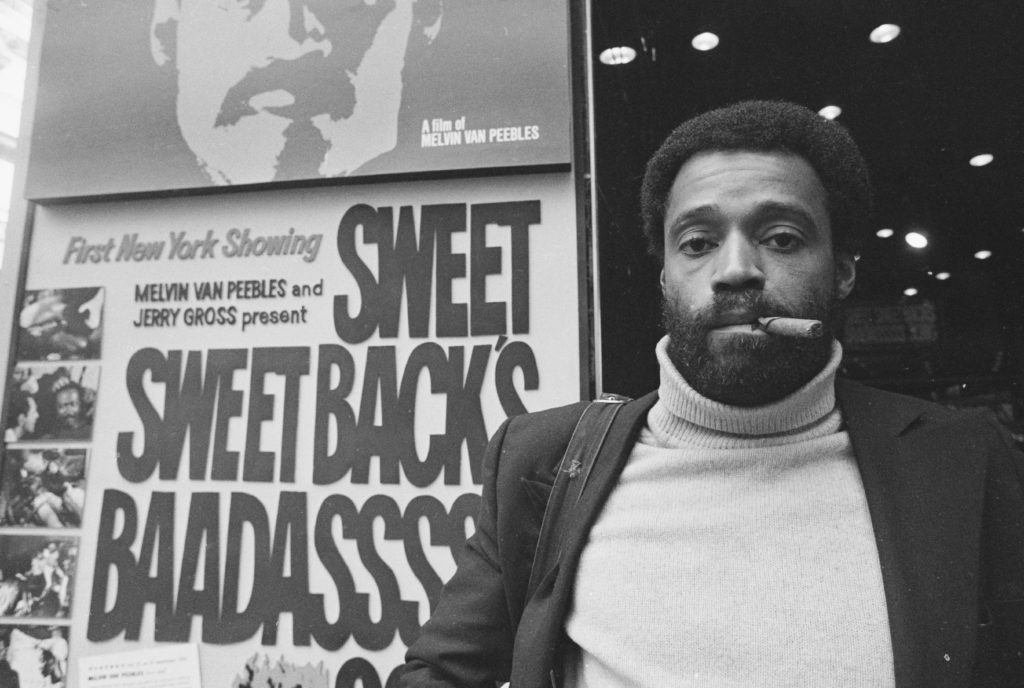
Does following industry dynamics change the narratives of a film, and hence the political message behind it? The difference in political impact can be noticed when comparing Melvin Van Peebles “Sweet Sweetback's Baadasssss Song (1971) and Gordon Park’s “Shaft” (1971), who both shared iconic soundtracks and distinctive aesthetic languages that made the community feel seen, but also followed two very different production rationales. Can a soundtrack be the driving force of a moving image? Can the revolution be televised?
Baadaassss music
Blaxploitation characters were bold, strong, resilient and unapologetic. The scores were no exception to this, and often became one of the movie’s characters themselves. Music comes to aid the character, where words and lines did not suffice. The scores were characterised by a complex embroidering of funk, soul, jazz, gospel hymns and rhythm and blues, reflecting the vibrant musical spectrum of black music till that time. They did not just accompany the film, they were cultural statements that tied history, social commentary and aspirations of the communities they would sing about. Aspirations of freedom, and of lightness. Commentary of systemic oppressions, and its weight on the communities they sang about. Composers used a variety of instruments to craft dynamic soundscapes, with each instrument embodying different emotions. Funky basslines provided depth and rhythm, while horns added intensity. Strings brought drama and sophistication, and electric keyboards and synths contributed a futuristic texture. The iconic wah-wah pedals defined the genre's distinctive tone. When discussing the scores of this genre one cannot not mention the sounds of “Sweetback” and “Shaft”, who share a similar level of impact and experimentation, though also highly differ in the political stance they took.
“You bled my momma, you bled my poppa, but you won’t bleed me”
Sweetback was a watershed oeuvre for black cinema in the US. It told the story of a man on the run, after having helped a revolutionary militant who had been attacked by the LAPD. The movie depicted nudity, rebellion, and survival. All features that were never associated to black characters in American movies.
Musically, the movie distinguished itself for its avant-garde and experimental nature, incorporating notes that went from blues to psychedelic rock, decorated with gospel hymns. The result was a raw and unpolished sound that mirrors the film’s gritty aesthetic. The music often feels improvised, highlighting the film's sense of urgency and unpredictability. The vocals equally give a sense of immediacy, and weld together spoken words and chants that shed light on the film’s underlying theme of rebellion. “The first song, “Sweetback Losing His Cherry” juxtaposes the spiritual “Wade in the Water,” with sounds of love making. The gospel song, “This Little Light of Mine,” is interspersed with frenetic soul blasts. It upends any previous notions of sex, religion and violence to mirror the chaos and questioning of the era”, says Mario, Van Peebels’ son, who also starred in the movie at the age of 13 (Van Peebles, 2017).
Though today it would be hard to tell, as the soundtrack appears to be viscerally linked to the equally experimental and profane celluloid it belongs, the score remained unwritten for most of the filming, until Van Peebles stumbled into an unknown band of the time called Earth,…