
Elephant in the Room: race and identity in the Trump era
1. Winning Souls: how Trump tries to win the Black vote
by Pietro Carignani
In the days following the 2016 general election, as international commentators tried to explain Donald Trump's unexpected victory as U.S. president, analytics agencies began dissecting the composition of the vote. Predictably, African Americans were the racialized group that most opposed the New York billionaire's rise: only 8 percent of Black voters had supported the Republican Party, a derisory percentage when compared to the 46.1 percent garnered by the Grand Old Party over the entirety of voters[1].
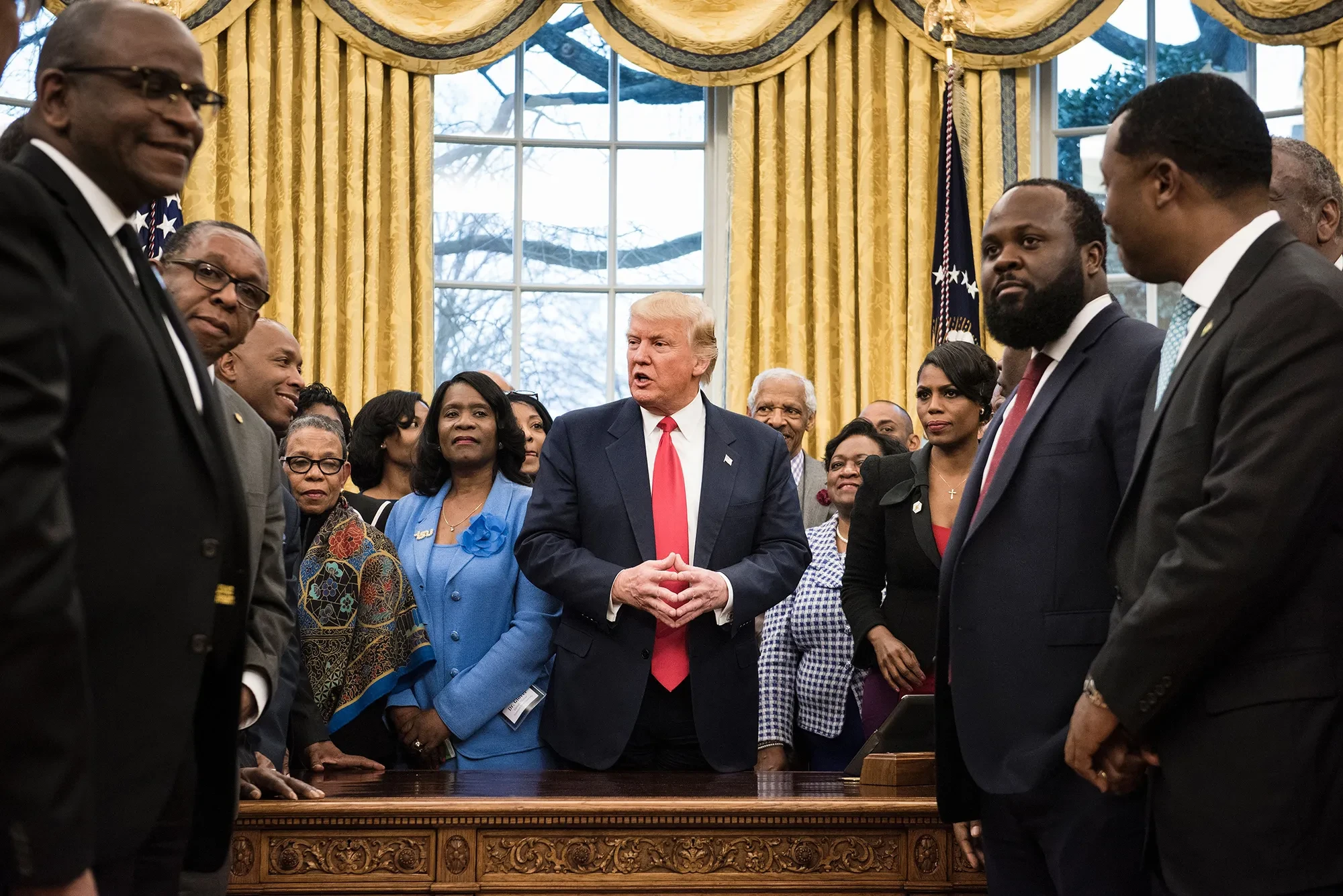
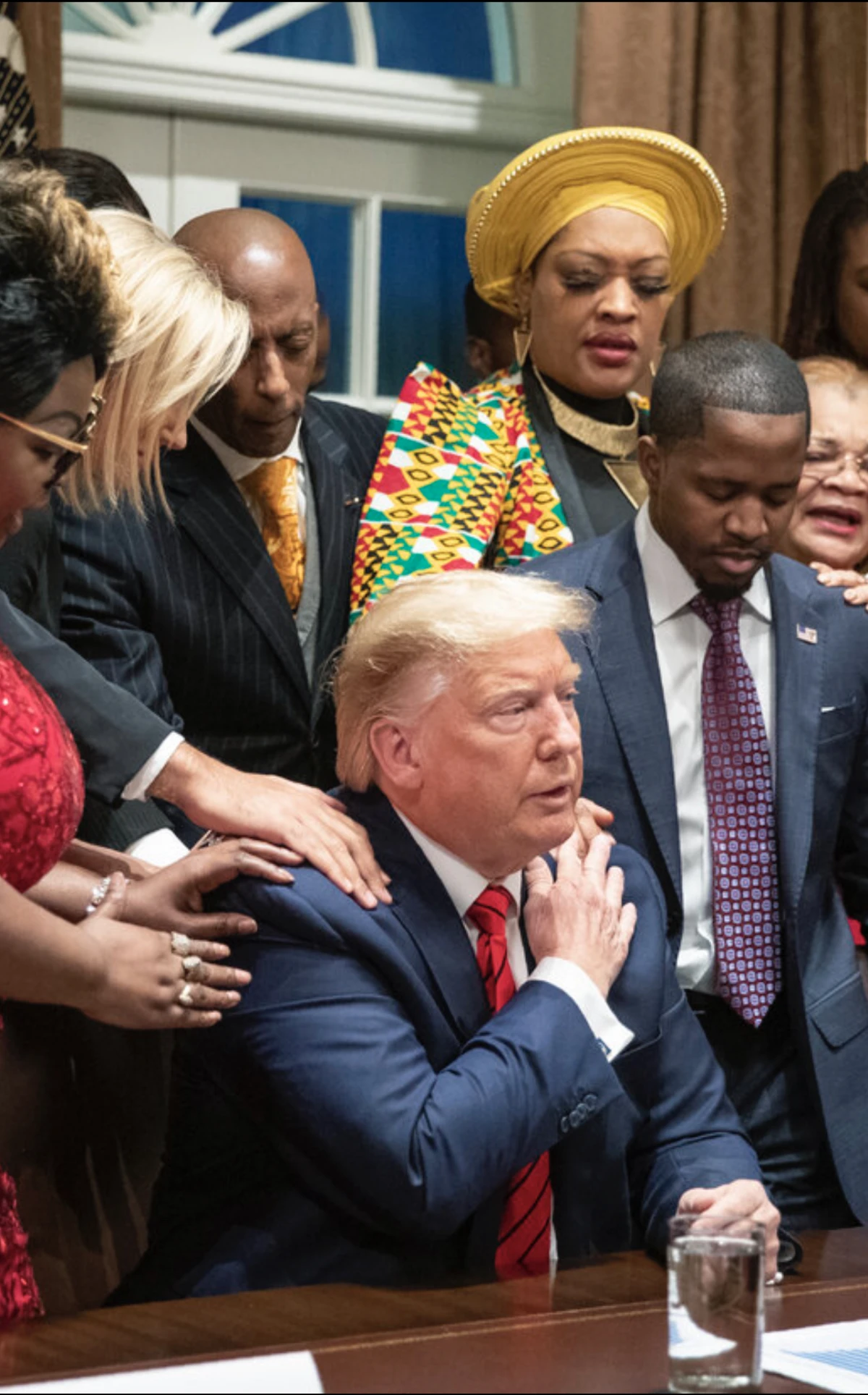
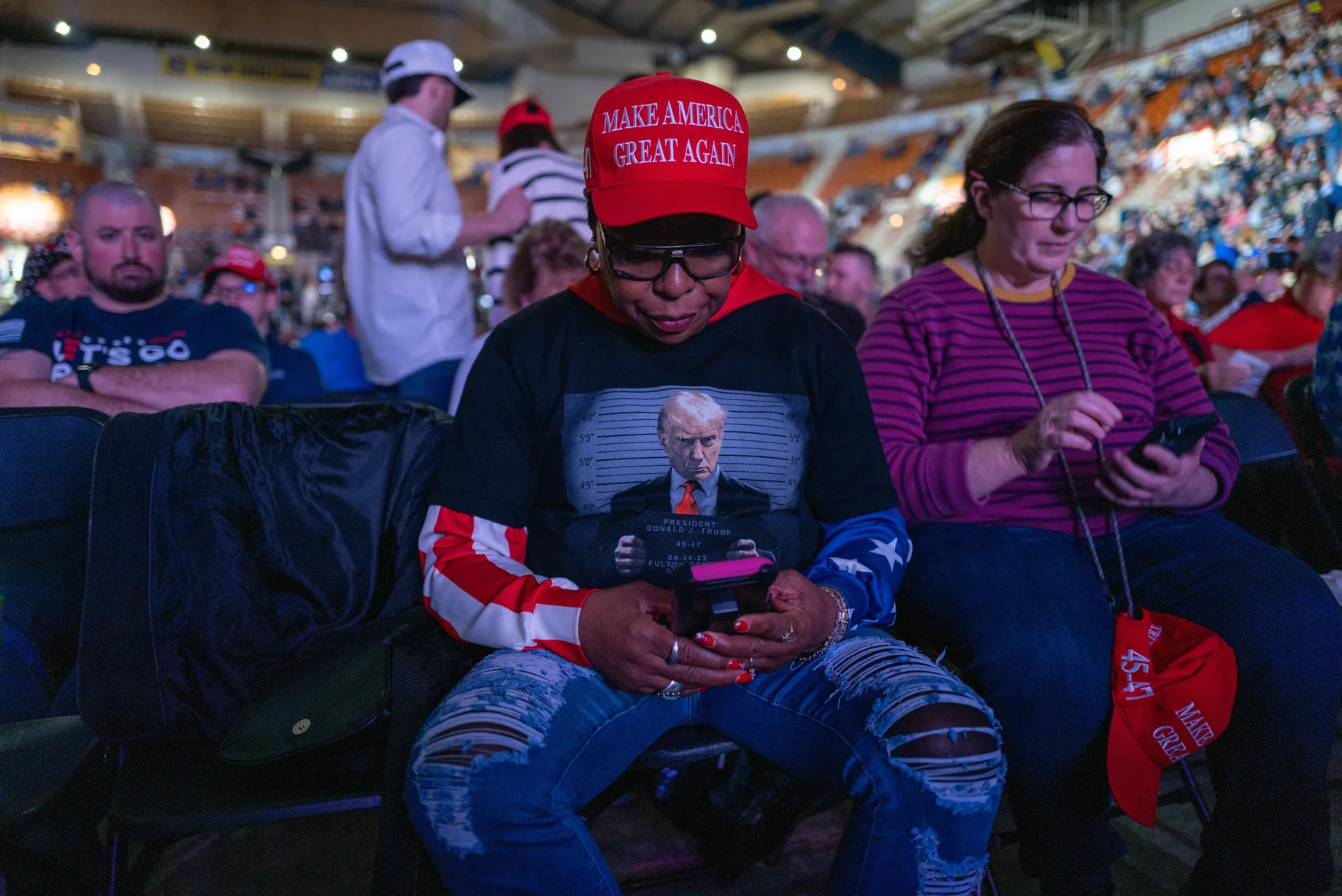
The reasons behind this disproportion were not mysterious. A large portion of African Americans had reaffirmed their loyalty to the Democratic Party following the historic election of Barack Obama, the first Black president in U.S. history. For them, voting for Hillary Clinton - the 2016 nominee and Obama's former Secretary of State - felt like a natural choice. At the same time, Trump's rhetoric appeared virtually unacceptable to nonwhite voters: a candidate who made extensive use of racist assumptions, encouraged the use of force by police, and criticized affirmative action policies could not gain too much success in the Black community. However, over the subsequent eight years, something began to change. Slowly but surely, the number of Trump supporters among African Americans increased: the 8 percent in 2016 rose to 12 percent in 2020 and, until a few months ago, had settled at an unexpected 17 percent. Beyond the numbers, the general impression was that the Republican Party, while keeping its political message unchanged, had managed to increase its credibility within a community that had historically been hostile to it[2].
Contrary to what one might think, the closeness between the Democratic Party and the demands of African Americans is relatively recent. It was the Republicans who championed the abolition of slavery, Abraham Lincoln, “the Great Emancipator,” was a Republican, as were the first Blacks elected to Congress. By contrast, the Democrats had remained on far less progressive positions to the extent that, after the Civil War, they emerged as the dominant political force among white Southerners. This division, which may seem paradoxical today, only changed gradually over several decades: from the early 20th century, the Democratic Party began to embrace more progressive ideas, in a process accomplished only at the dawn of the 1960s. Since then, despite internal frictions and challenges, the Dems have been able to count on a solid electoral base within the African American community, making the alliance between Blacks and the liberal party a common assumption in U.S. politics.
This historical digression is necessary to understand that the political inclinations of African Americans cannot be assumed a priori. Like any other social group, they seek representatives they can feel close to and who propose policies that meet their needs. At the same time, the notion that the Black vote in the United States is monolithic and faceless must be disproven. Although at times they may appear to be a unified bloc, different individuals and communities respond to different stimuli.
Nevertheless, there is a national political discourse for African Americans, and undoubtedly the Democratic Party has managed, over the past century, to present itself as the best option for representing the voice of millions of them. Despite Malcolm X's hope as early as 1964 for a “Black voting bloc” capable of determining the country's political fate has never been realized[3], decades of election results tell us that the vast majority of African Americans vote Democratic, and all indications are that this will be the case again this year.
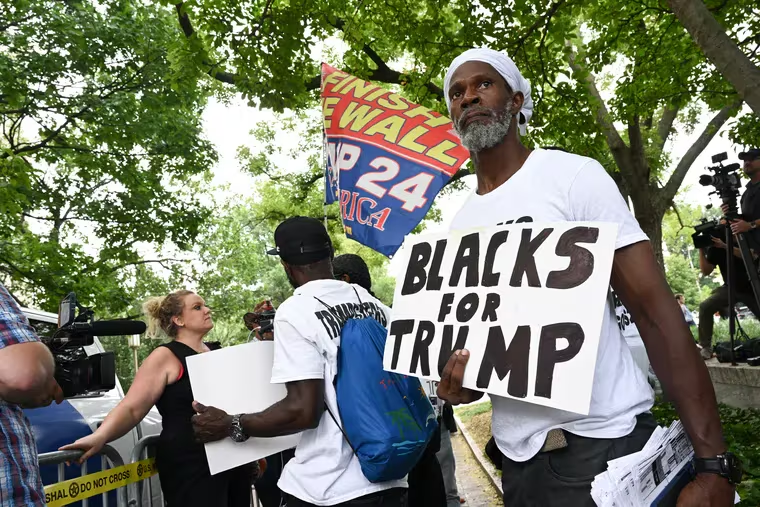
Thus, we’re far from being able to predict an abandonment of the party by its most loyal base, but the way presidential elections work in the United States, even a small fluctuation could prove decisive.As is well known, what determines the victory of this or that candidate is often a few tens of thousands of votes, those cast in the so-called “swing states” - that is, those states where, on the eve of Election Day, the margin between the two parties is extremely small. In a balanced environment such as the one that lies ahead next November, Kamala Harris and Donald Trump will need to secure these key states to win the…