
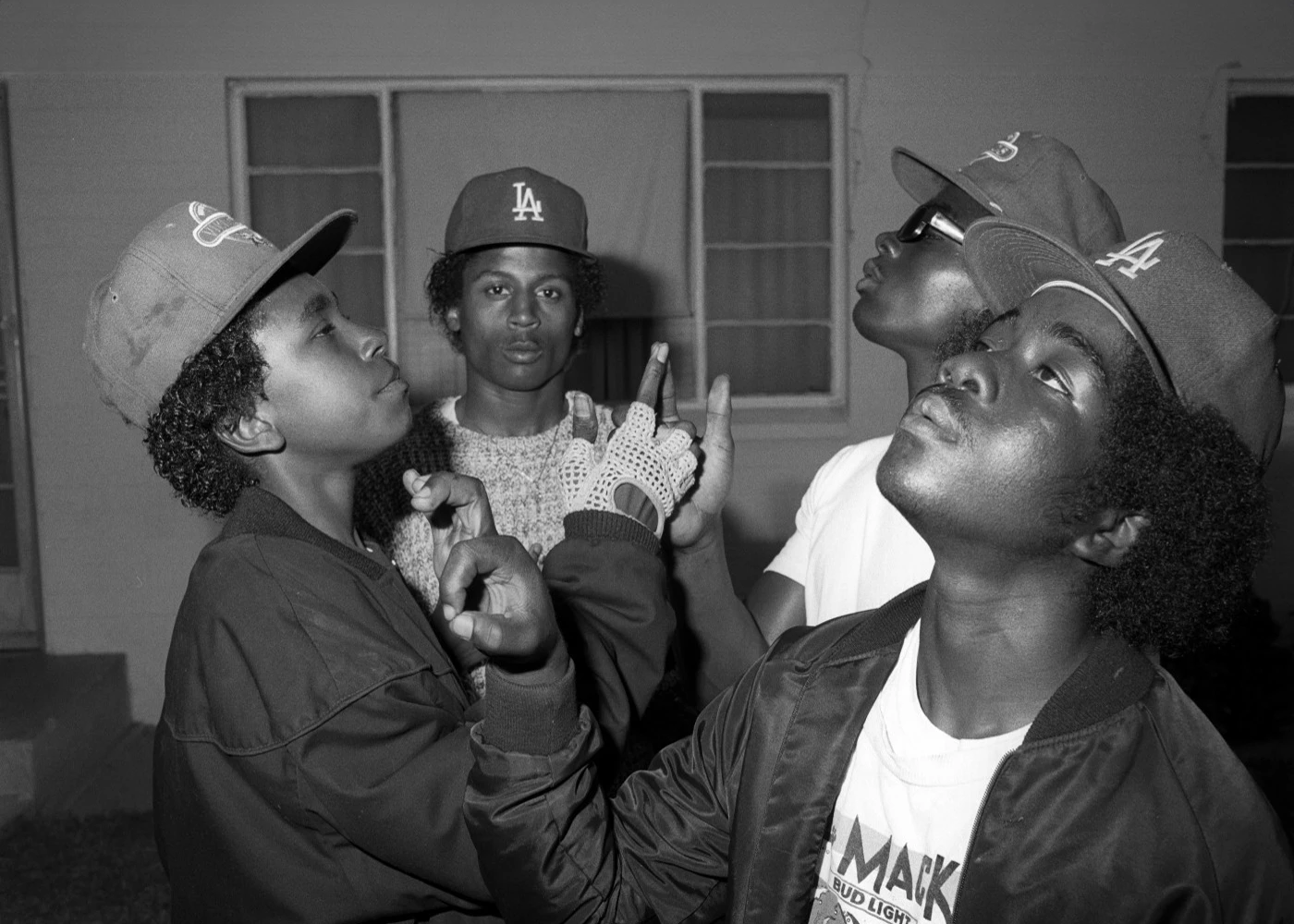
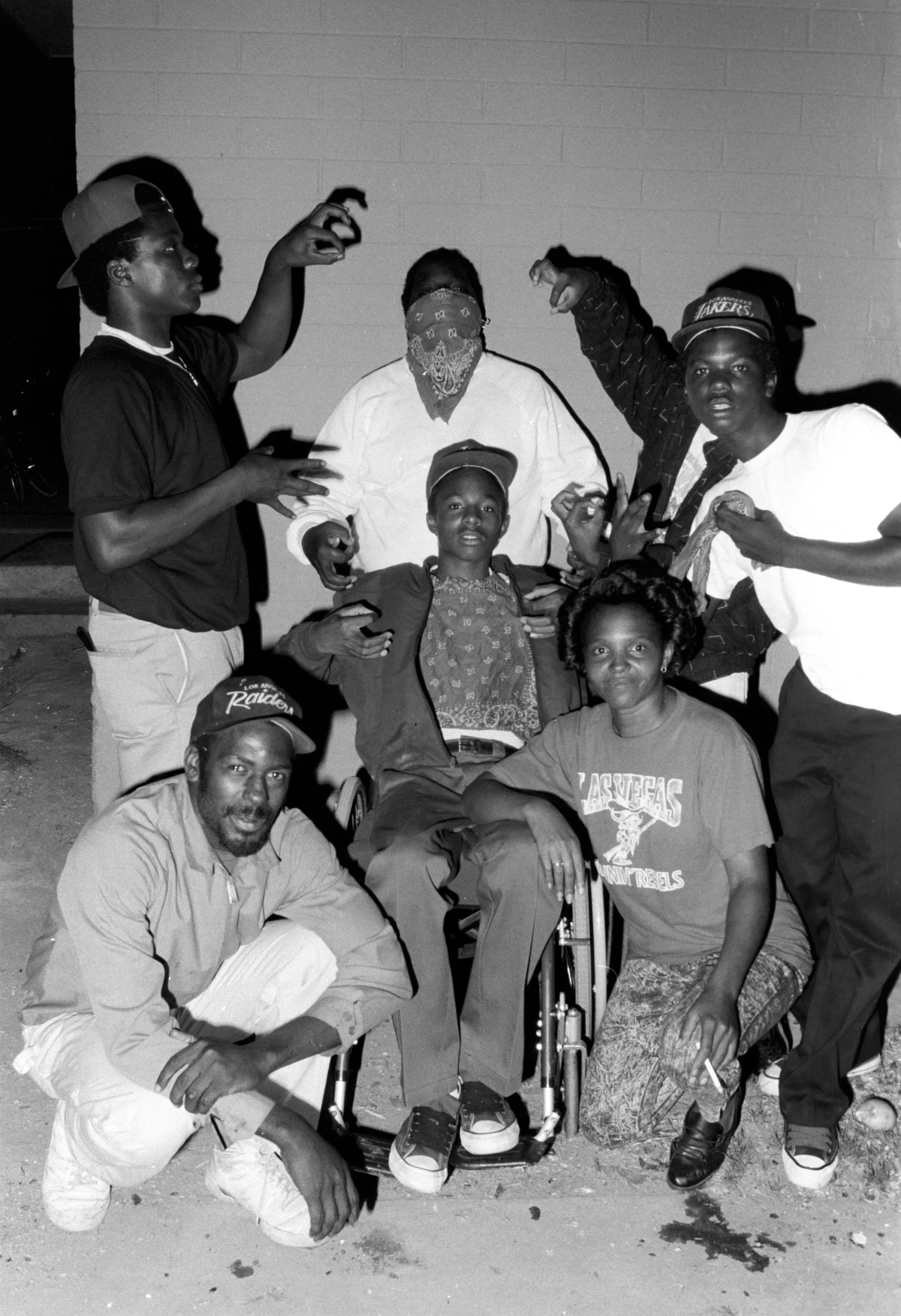
Gang Signs (...of contemporary African American crime)
The collective imagery often links gangs to the Black community, much like the Mafia is associated with Italians. However, this perception does not align with the reality of gang history. The history of gangs is characterised by a complex interplay between criminality and self-organisation from below, reflecting the community's response to the challenges imposed by American society. The emergence of rap music played a pivotal role in integrating gangs into mass culture, establishing them as a central topic in public discourse and the political agendas of American presidents.
1. American way of life: the roots of gangs in U.S. society
by Gabriel Seroussi
The history of African Americans is one of criminalisation, a premise that can’t be ignored. A toxic narrative has invested - and it still does - the African American community for centuries. A distortion with very deep roots that has been nurtured over time as a response by white Americans to the empowerment of the black community.
Delving into the trajectory of gangs as a typical form of contemporary African American criminality then means, first and foremost, attempting to disentangle this narrative from its illegitimate elements. In order to do so, it is essential to agree on the meaning of the term 'gang'. With such word, we identify armed groups of different types that occupy portions of territory within what sociologist John Hagedorn defines as the 'world of slums', i.e. the set of those poor and marginalized areas that, depending on the language, are known as ghettos, favelas or barrios [1]. The gang phenomenon thus took place in contexts where racial, ethnic or economic oppression persists over time. These groups often developed a strong sense of identity precisely as a response to the disappointment of expectations that contemporary society sets aside for those who inhabit the world of slums.
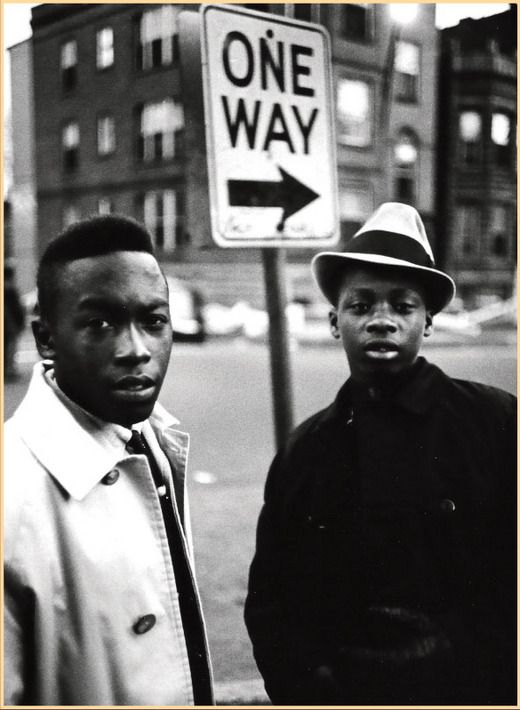
It is no coincidence that the first manifestations of the gang phenomenon appeared in U.S. metropolises at the beginning of the 20th century. It was the wild urbanization of the West - the apex of industrial development at the end of the century - that triggered new and uncontrolled social mechanisms. Cities like New York or Chicago were transformed, within a span of decades, from mercantile centres into industrial metropolises whose expansion was unparalleled in history. Such growth was fueled by an unprecedented influx of migrants. Italians, Irish, Russians and Poles arrived, but also Germans, Scandinavians, Jews and large numbers of Americans from the continent's endless hinterland. Languages were spoken, religions professed, customs were different. Amidst this contemporary Babylon, there were also African Americans. Between 1910 and 1940, more than 1.5 million blacks reached the north-eastern metropolises of the United States. This was the First Great Migration, the first mass movement of African American men and women fleeing the racial segregation regime in force in the southern states. America's industrial metropolises thus became the meeting point for communities and cultures far removed from each other. Hope for a better life and semi-illiteracy were the common denominator for millions of immigrants arriving from all corners of the globe.
For many, it represented an unheard-of cultural shock. Coming from a rural society, steeped in religious principles and clear value hierarchies, one migrated to an urban civilisation, conceived on the ideological foundations of 19th century individualism. In this new context, the concept of “success”, understood as the achievement of collectively recognised individual results, was a central value; however, in early 20th century American society, “success” was something for the few. Immigrants found themselves grappling with a difficult environment: precarious working conditions, systemic racism and lack of essential services forced relocated communities to find new forms of internal organization.This is how the first gangs were born: as a means of achieving individual “success” and as a means of self-organization among ethnic minorities in the U.S. metropolises of the early 20th century. In this embryonic phase, gangs operated as power groups within their communities that, employing both legal and illicit means, attempted to assert control over collective life. Influencing electoral flows, managing labor relations and internal disputes, providing security and gaining economic control of the community were the terrains on which gangs sought to impose their power. The extent of their administrative capacity was closely linked to the financial power they were able to express. In addition to a number of legal businesses, gangs were then involved in gambling, exploitation of prostitution, loan sharking and, later, the production and distribution of alcohol.With the exception of a few narrow time experiments, among African Americans there won’t emerge subjects capable of confederating these power groups within more complex associative forms. The black community, unlike the…