
Rhythms of Liberation: Black Female Emancipation from Gospel to Trap Music
In tracing the journey of Black women in the music industry, it becomes evident that their narrative is one of revolution, innovation, and emancipation. Through the trials and triumphs of their careers, Black women artists have not only paved a path for themselves but have also illuminated a way forward for women of color across the United States. In celebrating the legacy of Black women in music, we honor not only their artistic achievements but also their profound impact on the struggle for equality and justice.
1. Intro: Resonating rhythms of liberation
by Naomi Kelechi Di Meo
Written listening to Four Women by Nina Simone
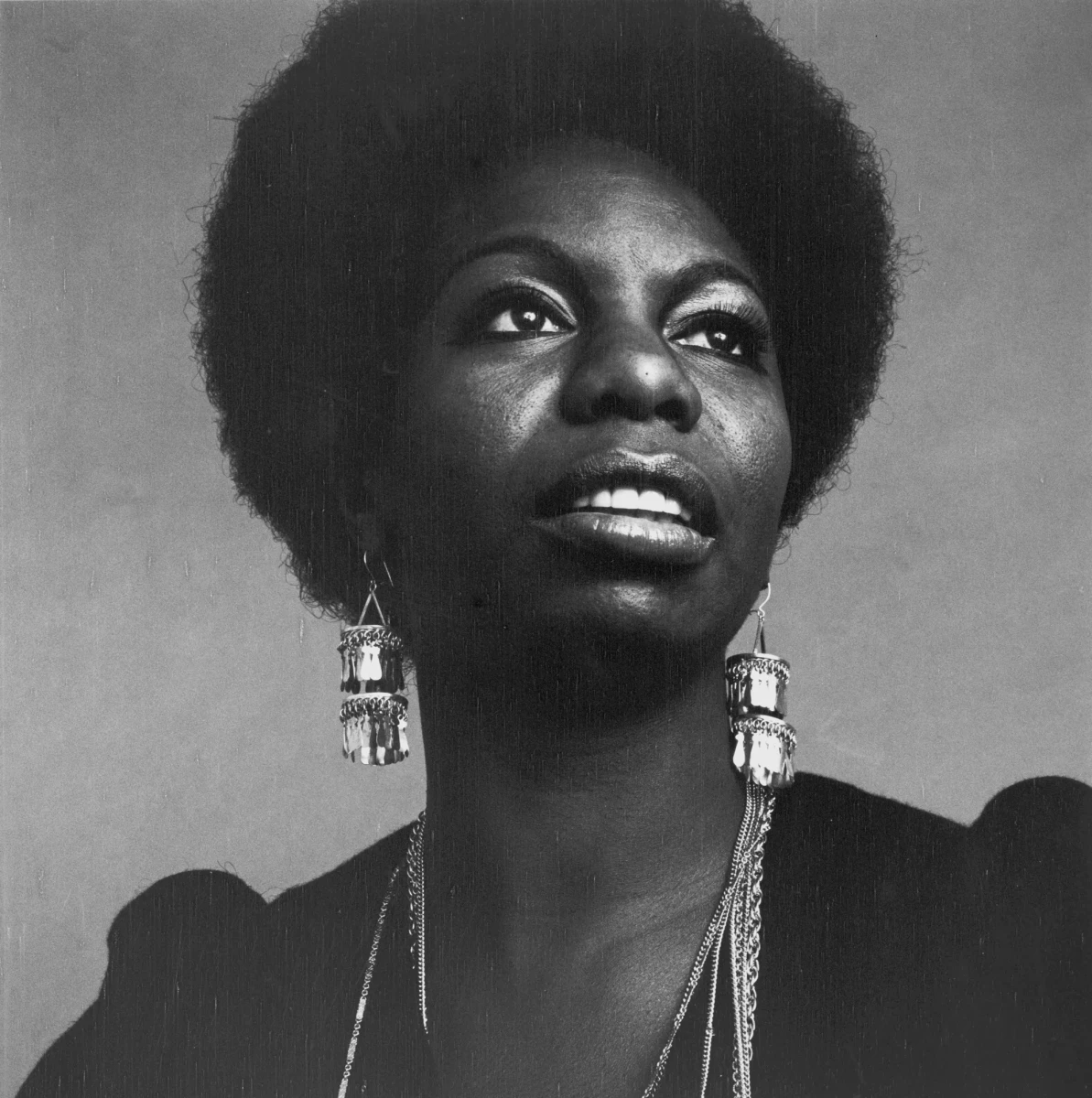
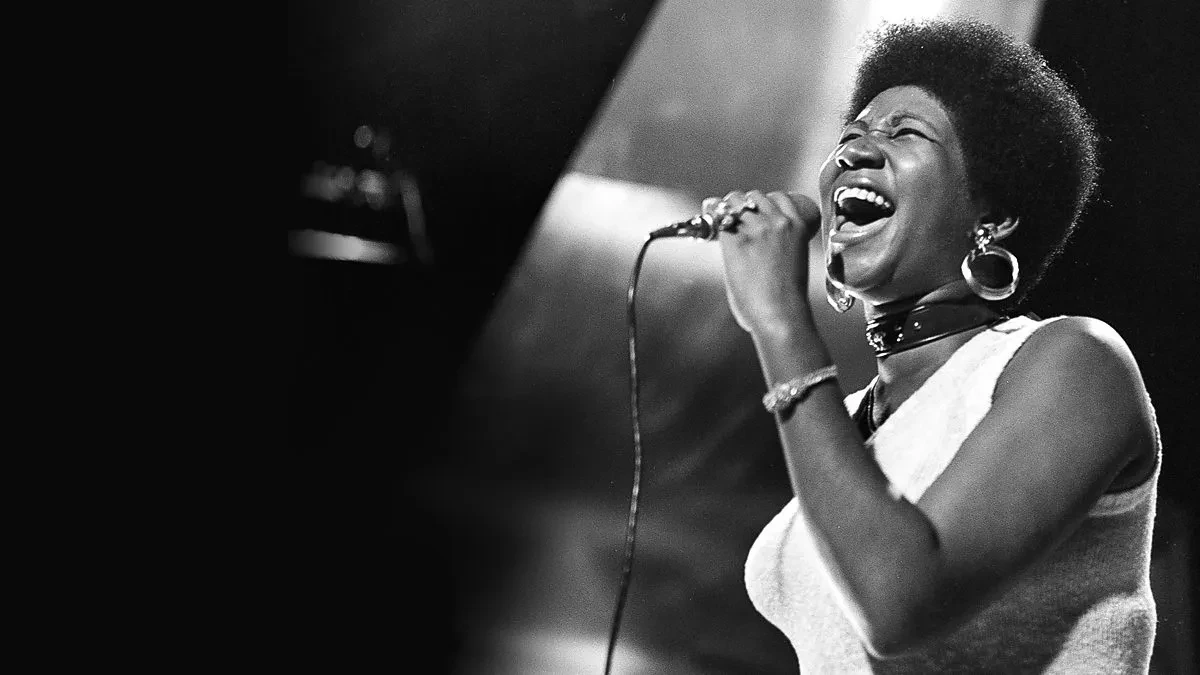
My departure from church occurred around the age of 14 or 15. Surprisingly, my mother chose the silent treatment as punishment, sparing me a lecture on family embarrassment. Nevertheless, church and faith found alternative paths to reach me, and one of these avenues was through music. My Sundays took on a new guise: no longer seated among congregants listening to a preacher's sermon, but instead, engaged in household chores while the strains of gospel filled the air. My earliest memories consist of my mother belting out worship tunes, off-key yet heartfelt, as we spun records from the States. Though my faith wavered with time, I remain puzzled by the emotional pull gospel music exerts on me. It's not solely about the ethereal voices; it's the prominence of women in these soul-stirring melodies that captivates me. Hailing from a family deeply entrenched in musical passion and diverse genres, I found myself pondering the lives behind the musicians my parents revered—Billie Holiday, Nina Simone, Aretha Franklin, Whitney Houston, to name a few—all formidable female voices who began their musical journey in the church.
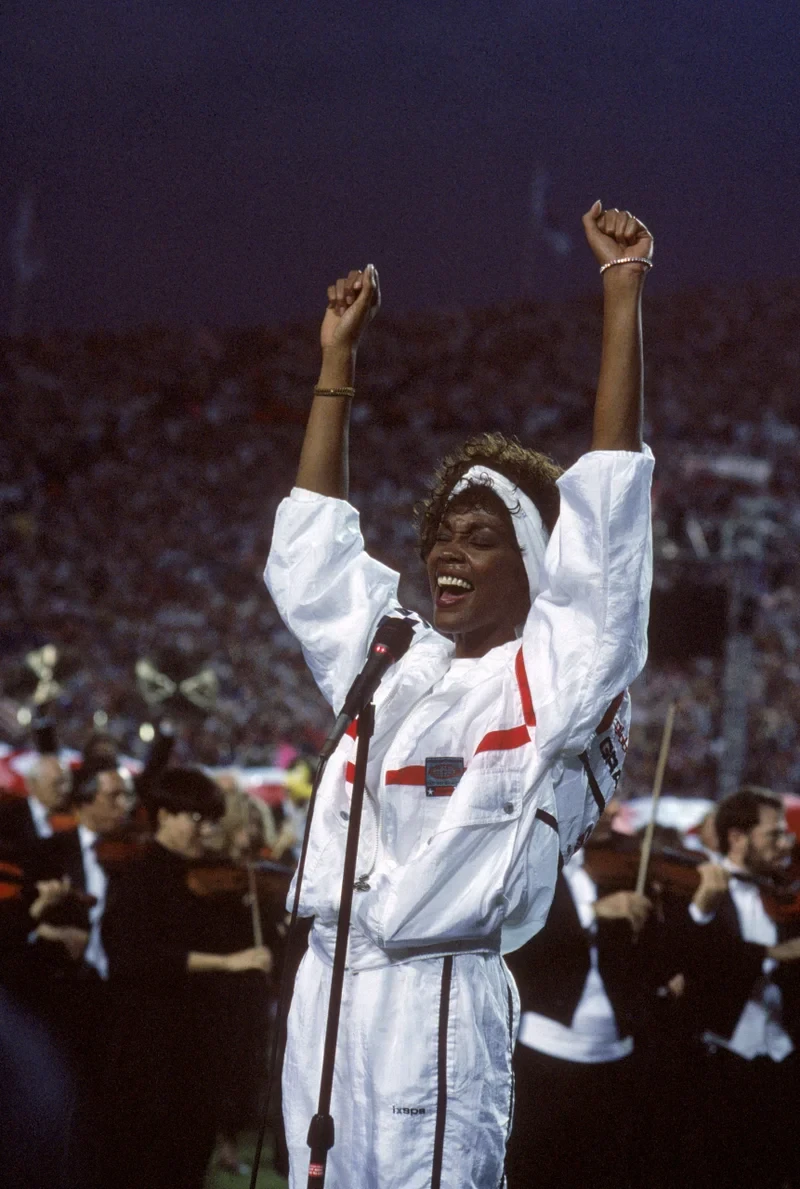
It's no surprise that the church, past and present, holds significant social importance for the Black community. Serving as a central institution, it played a pivotal role in the Black emancipation movement in the United States, offering a space for organization, mobilization, and resistance against oppression. For Black women, in particular, the church provided a vital platform for visibility and voice in a world pitted against them. While acknowledging the flaws and taboos entrenched within the institution, it's imperative to recognize its role as a cornerstone for a community navigating shared experiences and seeking solace and resilience in collective belief. Failing to acknowledge the pivotal role of Black women in shaping this entity would be a grievous oversight.
The intrinsic link between Black women and the church underscores their ability to express thoughts and emotions through music, find mentorship from choir directors, assert cultural heritage, and challenge injustices. Gospel music served as a conduit for these expressions, laying the groundwork for subsequent emancipation movements. With the advent of the civil rights era, Black women seamlessly transitioned their mobilization efforts into existing political structures, fostering a collective consciousness around gender, race, and class struggles pivotal to the evolution of Black Feminist Thought. Music, inherently political, serves as a vehicle for expressing grievances and denouncing systemic injustices.
«Southern trees bear a strange fruit
Blood on the leaves and blood at the root
Black bodies swinging in the southern breeze
Strange fruit hanging from the poplar trees»
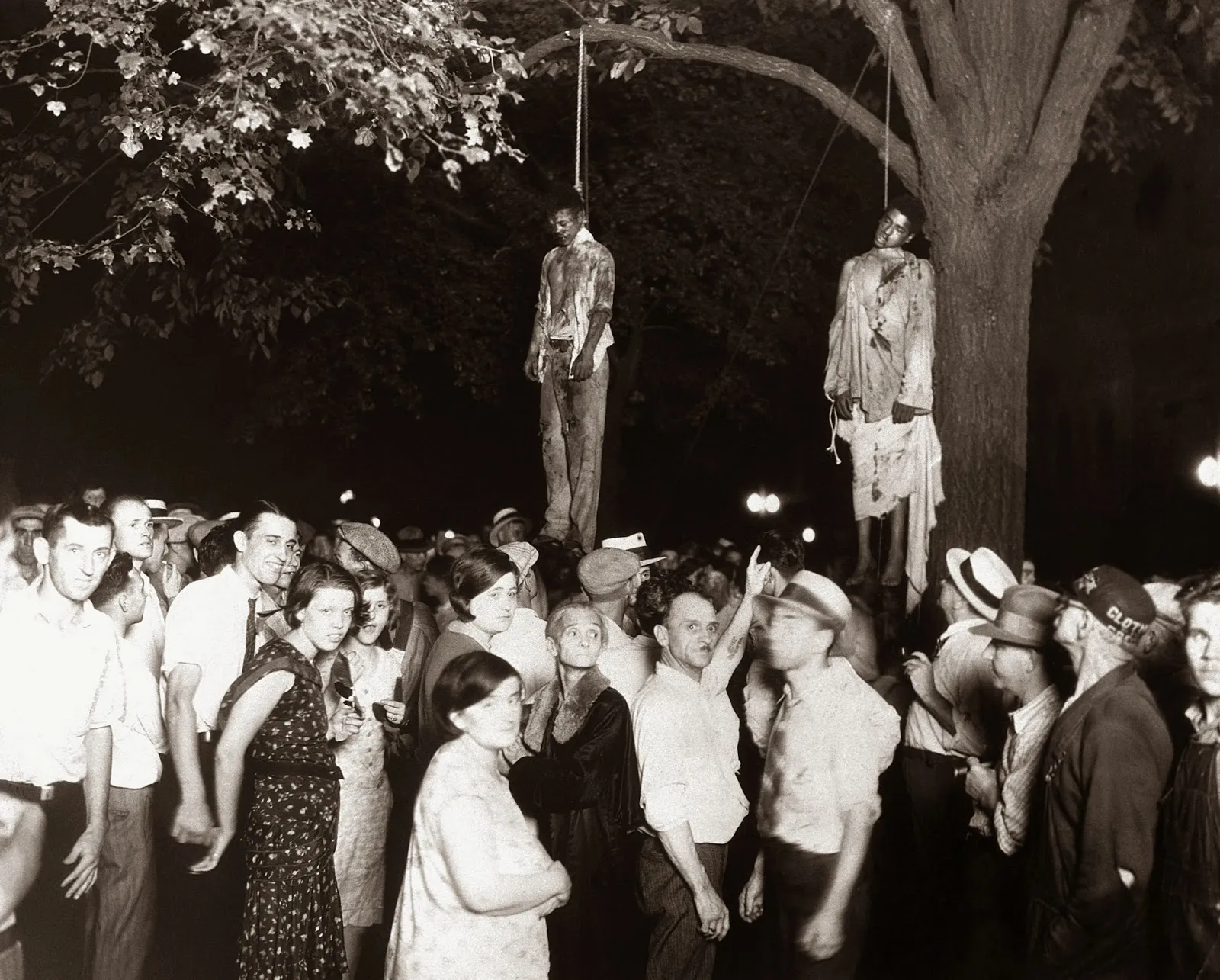
From Billie Holiday's haunting rendition of Strange Fruit in 1939, later covered by Nina Simone in 1965, which poignantly depicted the brutality of racial violence and lynching, to the emergence of blues as a means of vocalizing anguish and emotional catharsis, Black women musicians have consistently amplified the voices of the oppressed. If Gospel was a plea for divine strength, blues became the anthem of resistance, echoing the shackles of slavery into ancestral melodies. Female blues artists like Etta James, Gertrude Ma Rainey (the mother of blues), and Sister Rosetta Tharpe advocated for social justice and racial equality alongside themes of love and sorrow. These pioneers laid the foundation for other subsequent musical genres. Rhythm and blues emerged from the blues tradition in the 1940s and 1950s, combining elements of blues, jazz, and gospel music. Soul developed in the 1950s and 1960s, blending elements of R'n'B, gospel, and blues. Funk music originated in the late 1960s and early 1970s, drawing inspiration from R'n'B, soul, and jazz, rock and roll, and lastly hip hop. This genre is primarily associated with urban culture and electronic music production; it has roots in African American musical traditions, including Blues. Hip hop artists often sample blues recordings and incorporate blues themes into their lyrics, reflecting the ongoing influence of the genre.
Despite historical narratives often…