
Soul Food (...of the African-American culinary culture)
Soul food is not merely a collection of dishes, it is a vast and varied culinary tradition that originated on plantations in the Southern United States. Moreover, it constitutes a pivotal element in the formation of the Black community's identity in America. However, this was not always the case. Soul food (...of the African-American culinary culture) represents the history of a community through its recipes.
1. What’s soul food?
Are we there yet? is the classic sitcom of the early 2000s which portrays the life of a middle-class African-American family. Since it has never achieved the same success of similar products such as My Wife and Kids, the series was never translated into italian. In the depiction of the typical intergenerational conflict between the grandparents who grew up in poverty and the grandchildren who were born after the family's social advancement, a dialogue is staged that well explains the relationship between African Americans and the food that most characterises their culinary culture. The whole family is gathered around the table for dinner. The grandmother declares that she wants to teach her granddaughter to cook "some real soul food". The grandson intervenes asking what soul food is. The mother glares at him and says: "The number two cause of death of black men over forty!". Off-screen laughter accompanies the close-up of the grandmother's outraged face.
The rather dark pun compares soul food to black-on-black violence, i.e. violence within the African-American community, which according to general wisdom -disproved by all the statistics - is the number one cause of death for black men in the United States. Soul food is therefore dangerous to health, and it is not an old, ignorant white man who says so, but a young, educated black woman. But is it true?
Acquista ora THIS IS AMERICA, il primo volume cartaceo di oltreoceano.
Più di 200 pagine dedicate alla storia e alla cultura della comunità Afro-americana. Sostieni oltreoceano, sostieni il giornalismo indipendente.
Like any self-respecting culinary tradition, soul food is first and foremost an invention. All cuisines are in fact the product of encounters and transformations: it is only over time that they have become integral - and for some foundational - parts of ethnic and national identities. Soul food can therefore be said to be primarily a political and identity claim. In the 1960s, with the spread of the ideas promoted by the Black Power movement, a phase of re-appropriation and re-signification of the community's cultural heritage began in the African American community. Soul food was fully part of this movement. In fact, the term was popularised by the political activist and philosopher Stokely Carmichael in 1966. In a letter signed by SNCC - the Student Nonviolent Coordinating Committee he led - and published in The New York Times, Carmichael identified certain dishes as an integral part of the black experience in the United States. What used to be vaguely called Southern food or Down home cooking became soul food and took on a distinct racial identity.
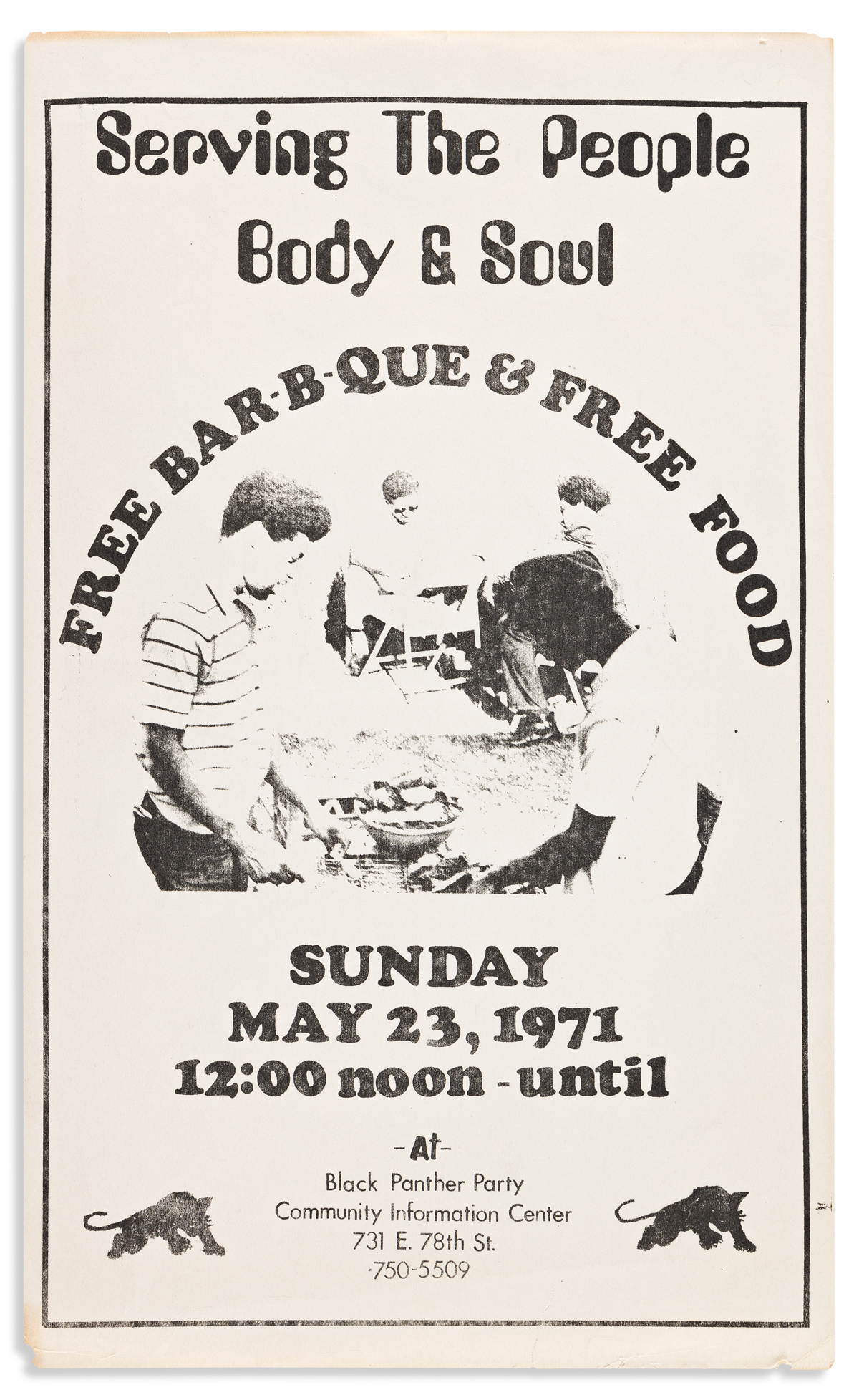
This cuisine traces its roots back to the period of slavery, when black people were forced to adapt their West African culinary culture to the living conditions and raw materials of the American colonies. Depending on the origins of the slaves and settlers, on the climate and the local economy, four different culinary areas were formed: Cheespeak bay cuisine in Virginia, Lowcountry cuisine on the southern Atlantic coast, Cajun or Creole cuisine in the Mississippi delta and Black Belt cuisine in the inland areas of the South. It is the latter area, due to its demographic and cultural importance, that would most determine the characteristics of future soul food.The Black Belt cuisine was based on the consumption of meat (mainly pork and chicken), cornmeal and molasses. The dishes of this cuisine were prepared by the slaves for dinner- the only substantial meal of the day. The menu usually consisted of a single dish in which the protein (boiled, fried or roasted) was accompanied by a carbohydrate or starch and sometimes by vegetables. Instead, on Sundays and holidays, the slaves’ diet was enriched with products (sweet potatoes) and cooking methods and complexities (baking cakes). With the outbreak of the Civil War, racial differences at the dinner table flattened out due to the tremendous effects of the war on the population. In many cases, blacks and whites in the South tended to have a similar diet.During racial segregation, the living conditions of the majority of African-Americans certainly didn’t tend to improve. Nevertheless, the very first black entrepreneurs opened rudimentary taverns…