
Cool Pose: Black Manhood and Vulnerability
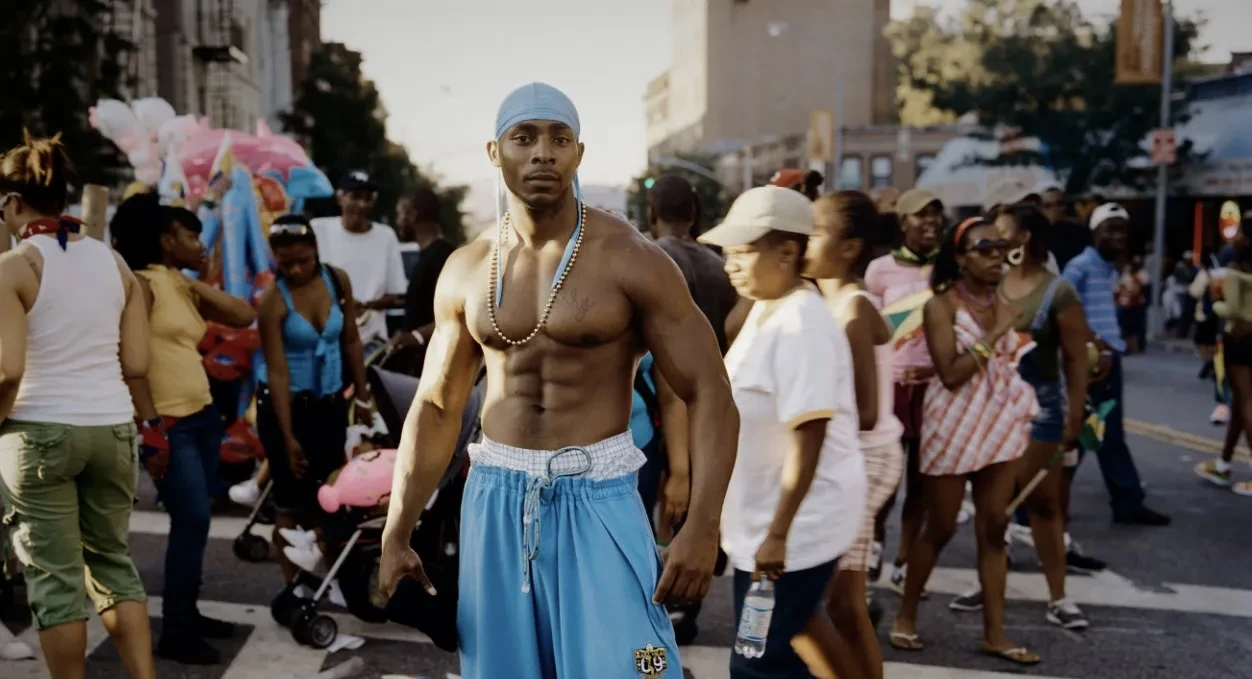
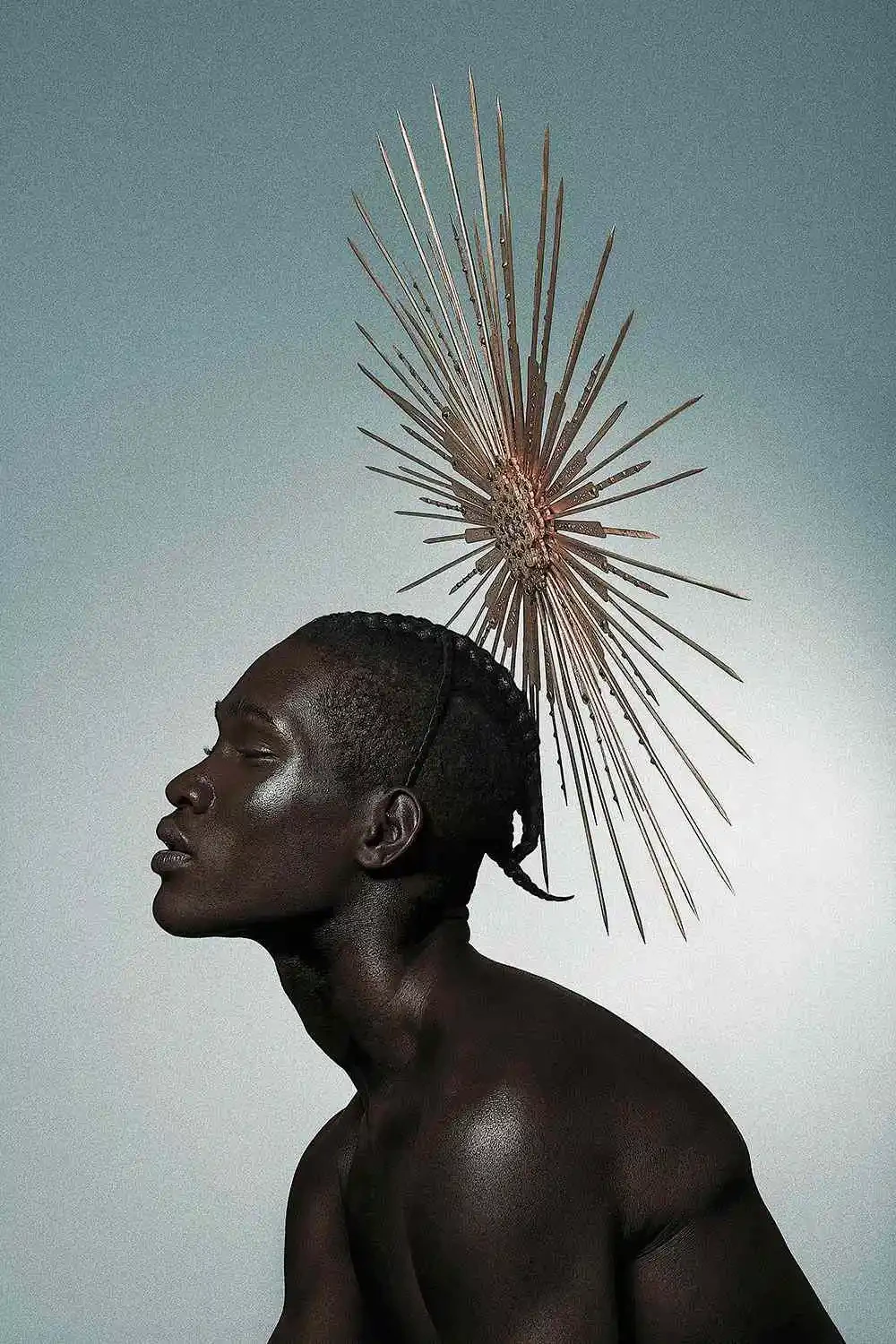
Masculinity is a complex issue, shaped by an interplay of historical, cultural and social factors that have created limiting and distorted stereotypes. In popular culture, social expectations have helped to create images that still influence how Black men are perceived, both within their community and in wider society.
We decided to publish this intimate and delicate issue to explore the roots of the stereotypes in which many Black men still find themselves trapped today.
1. A Love Letter to My Brothers
by Naomi Kelechi Di Meo
To the boys I grew up with, and the men you’ve become—
This is a letter I’ve been writing in my head for years. Maybe since we were kids, all of us moving through the world without the language to name what was happening to us. Back when you’d race bikes down cracked sidewalks, shout across schoolyards, disappear into music or football or silence. I didn’t have the words then, but I see now what we were surviving. What you were being shaped into.
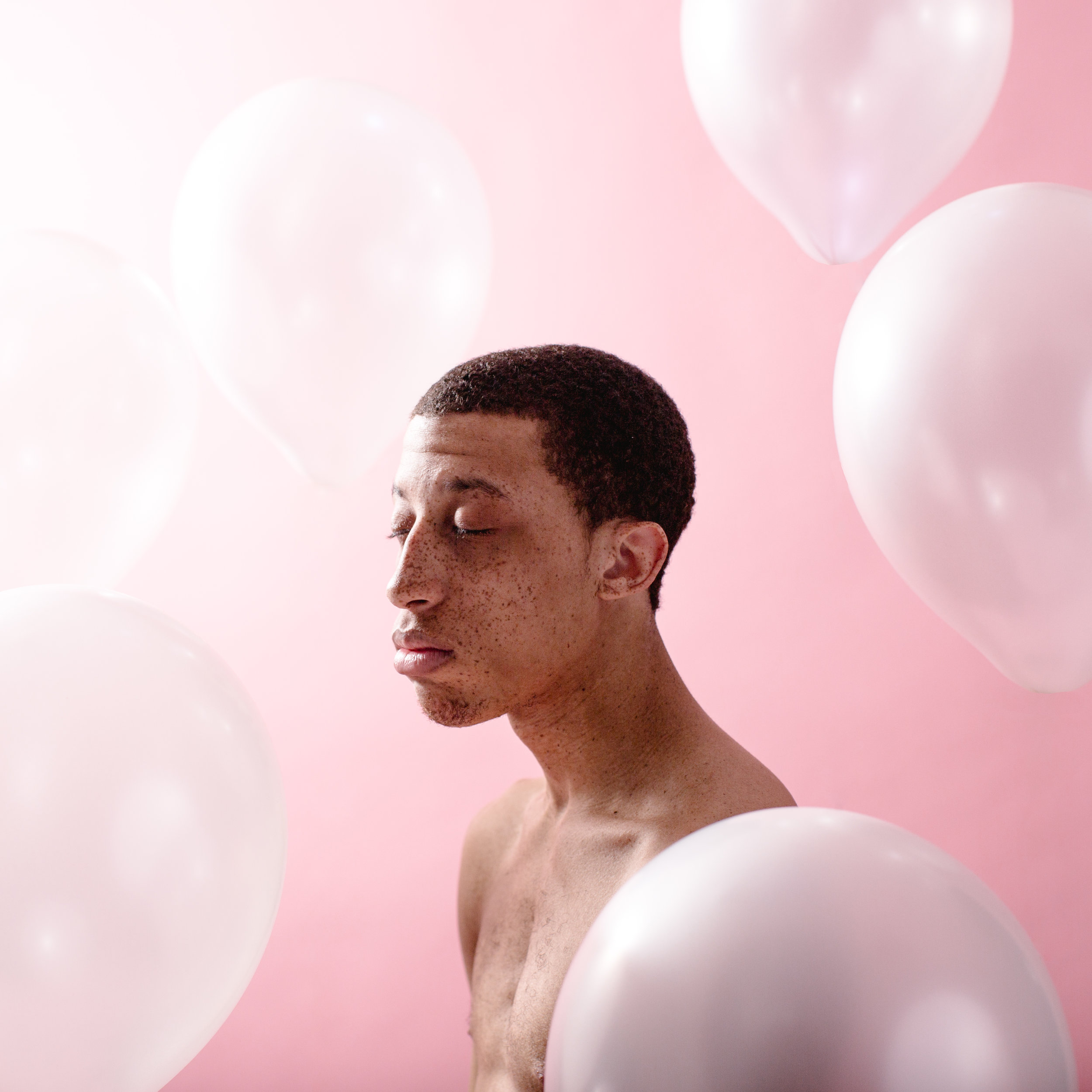
You’ve always been taught to hold something in. To stiffen. To perform. Even before your voices dropped or your shoulders widened, the world had already decided what kind of man you were supposed to become. Tough. Fearless. Useful. Controlled. I watched those expectations form around you like armor—sometimes handed down by family, sometimes forced on you by strangers who feared what they never cared to understand.
And let’s be clear: this performance didn’t begin in your generation. The monstering of Black masculinity has a long lineage—one written through plantation records, colonial propaganda, mugshots, music videos, and locker room jokes. It’s in the myth of the hypersexual predator, the absentee father, the brute strength without tenderness. It’s in the way your bodies are read before your words. It’s in how both white fear and Black respectability politics conspire to make you shrink or overperform. Too soft? You’re weak. Too angry? You’re dangerous. Too silent? You’re unreadable.
This is the tightrope you’ve always walked—required to prove your manhood in order to survive, but punished the moment you do.
And yet, I saw something else in you.
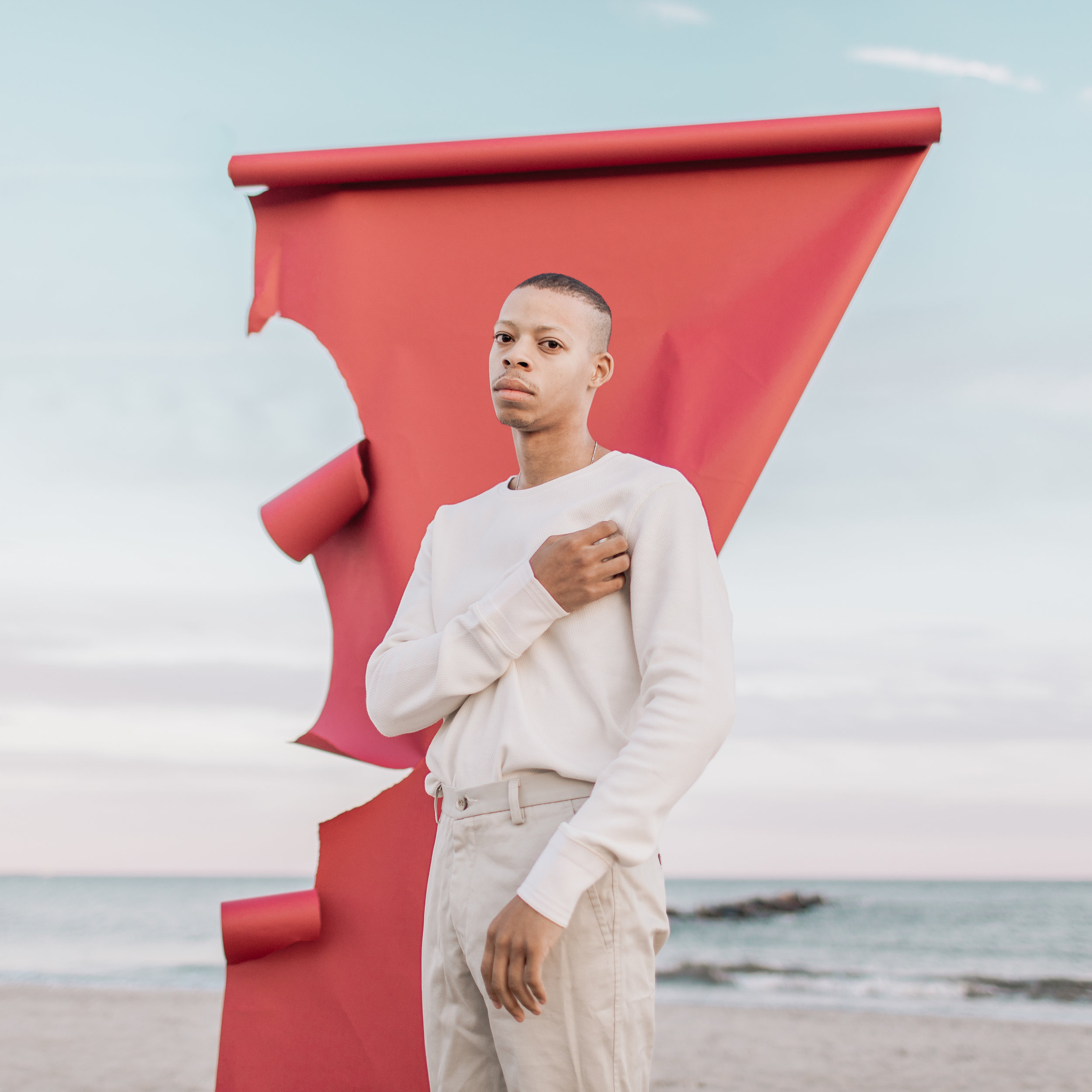
I saw you laugh with your whole body and then go quiet when vulnerability showed up. I saw the way affection got replaced by banter, how pain turned into jokes, how fear became rage or silence. And I want to say: I saw all of it. I see you.
Because behind that armor is someone who never really had the space to ask: What kind of man do I want to be? Instead, you were told what to avoid—don’t cry, don’t flinch, don’t talk too much about feelings. Learn to endure. Learn to deflect. Learn to carry.
And you did.
Sometimes at the cost of closeness. Sometimes at the cost of yourself.
I've seen the toll it takes—the mask that cracks in the late-night texts, the punchlines hiding grief, the fathers who taught you silence, the friend groups where softness is still mistaken for weakness. I’ve seen you try to be everything for everyone. Seen you reach for intimacy but flinch when it comes too close. Seen you disappear into work, into performance, into trying to “man up” just enough to be respected, but not so much you become the very stereotype they expect.
And I know: some of that survival was never yours to choose.
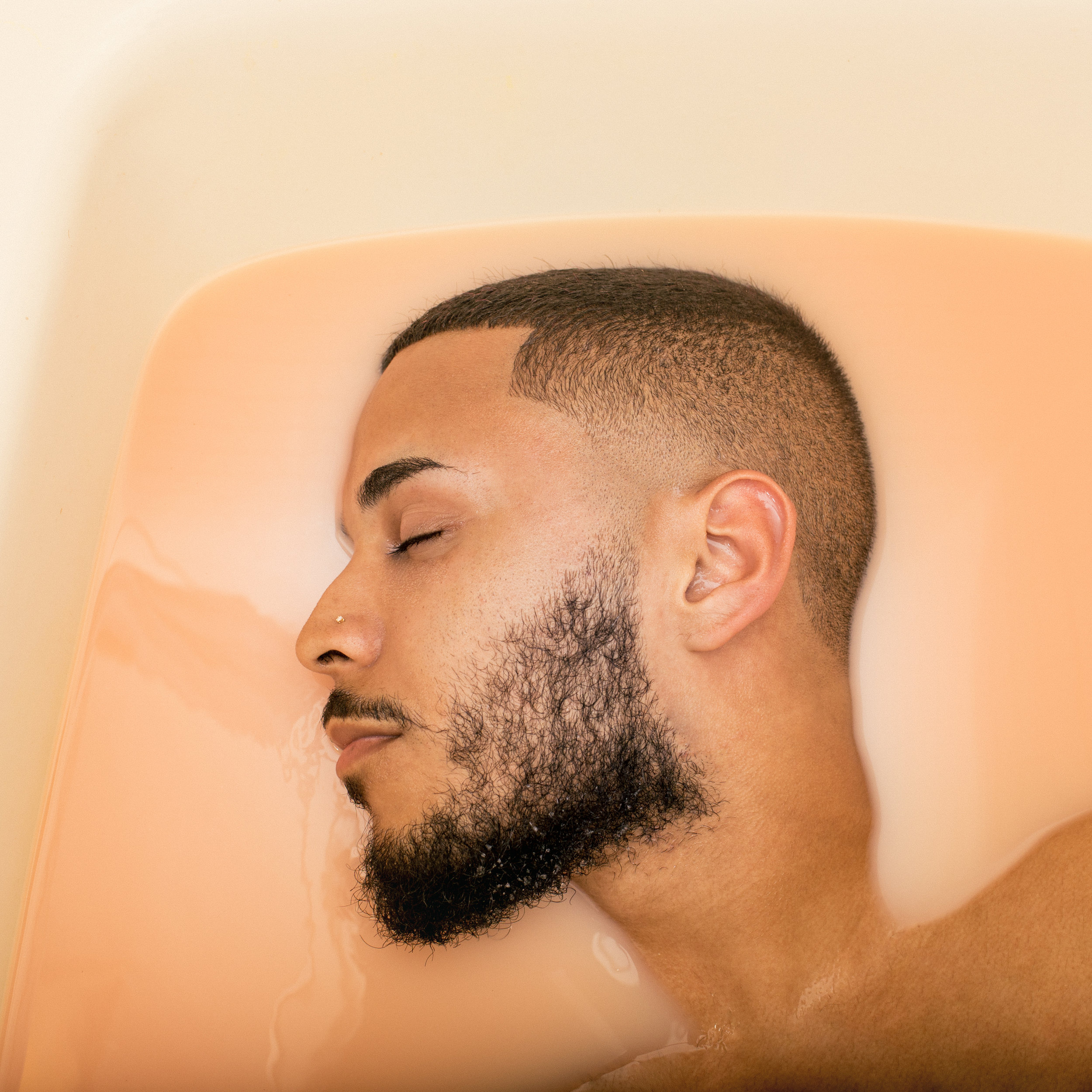
I’m not writing this to ask you to be different. I’m writing this because I love you. Not romantically. But as a sister, a witness, a fellow traveler. I love you in the way that wants you to live with your full chest. I love you enough to say: you were never meant to be only strong. That’s the lie.
This letter is a beginning. A mirror and a hand held out.
What would it look like to lay the armor down? What would it feel like to speak before being spoken about? To be held in your full complexity—not just by partners, but by brothers, by friends, by yourself?
Because beneath everything—the noise, the pressure, the code-switching, the masks—I still see that boy from the block, the classroom, the studio, the group chat. The one who wanted to be seen, not just expected. The one who needed room to feel. The one who deserved, from the very beginning, to just be.
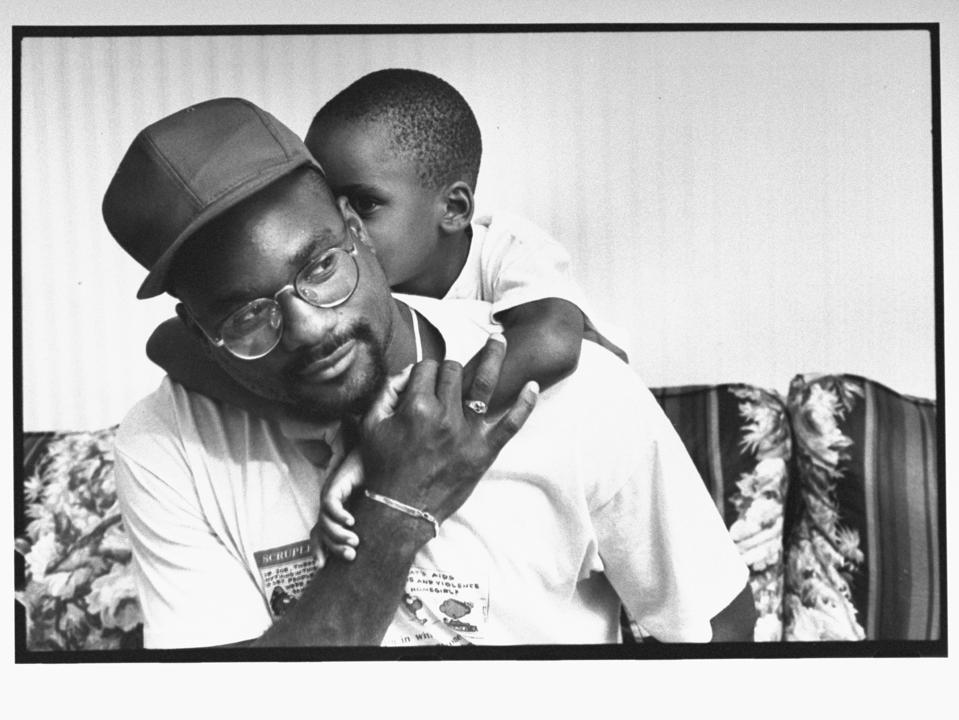
So this is a love letter. And a soft rebellion.
You are allowed to be everything you are.
And I’ll be right here, listening.
—N.
2. The Masculinity of the Black Man: Fatherhood, Identity and Cultural Representation
by Maïmouna Gueye
In…