
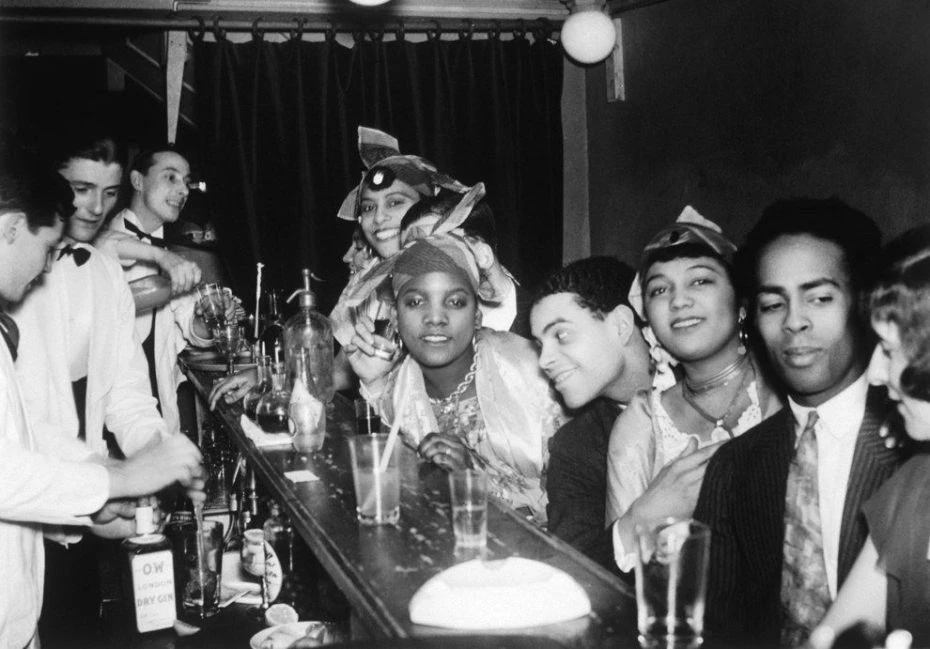
Paris Noir: African American memories in the French capital
For more than a century, many African Americans have traveled to Paris, seeking refuge from the racism in the United States that sought to erase their identity. However, many encountered new forms of discrimination while also finding the opportunity to engage directly with the African diaspora in Europe. This has led to an extraordinary cultural relationship between the French capital and the Black America. From these encounters, artistic, intellectual, and political creations emerged, redefining the very concept of blackness. From the vibrant Paris of the 1930s—where anti-colonial political movements and jazz flourished—to the Paris of the 1980s, marked by the rise of Hip-Hop in Europe, this connection has sparked profound reflections on oppression, both in Europe and the United States.
1. The people’s Paris Noir: everyday lives, unarchived
By Hajar Ouahbi
Why revisit the history of Paris Noir through archives?
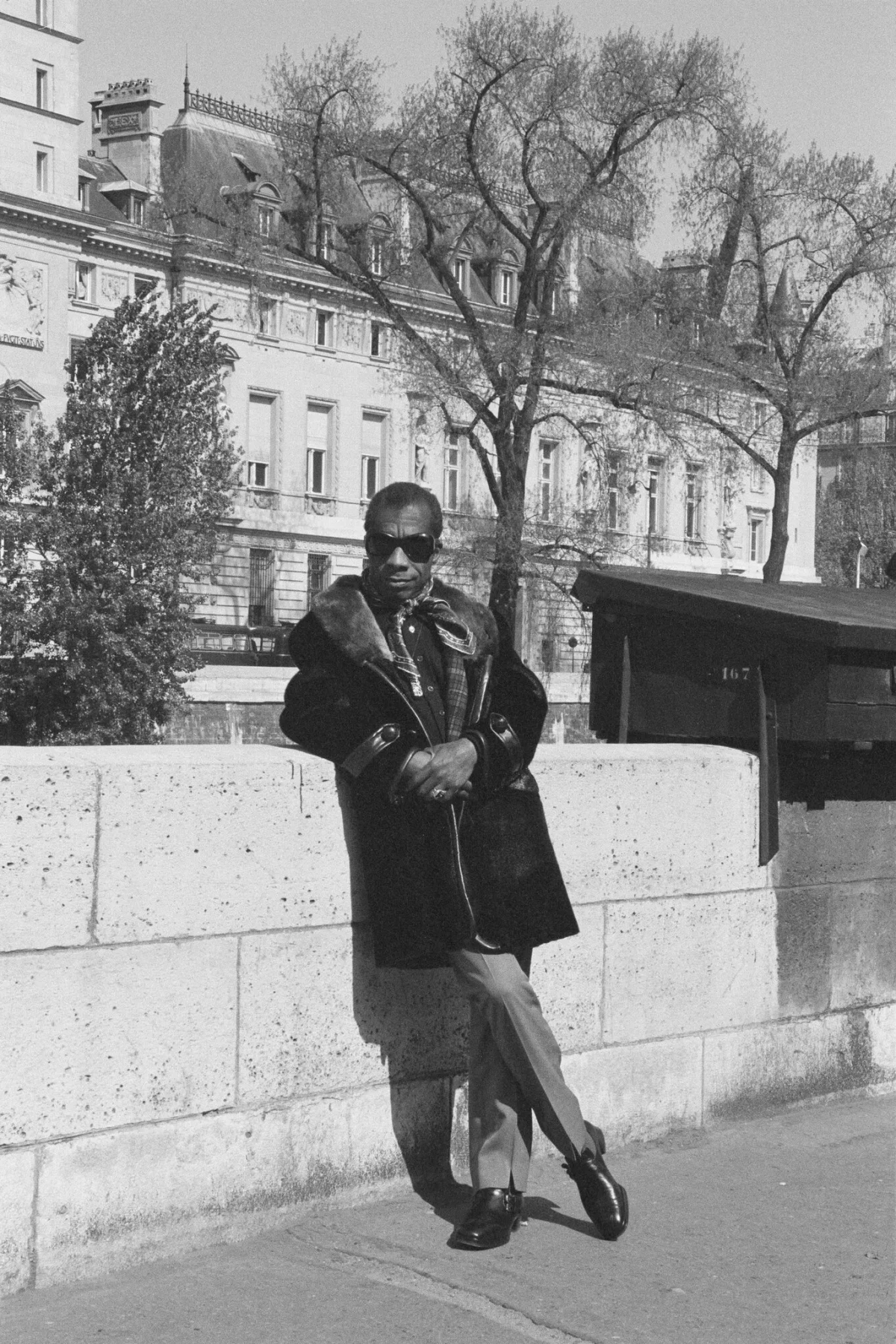
When people think of “Paris Noir,” they often picture towering cultural figures—James Baldwin’s lyrical prose capturing the city's charm, Beauford Delaney’s vibrant brushstrokes bringing its essence to life, or Miles Davis’s trumpet echoing through smoky jazz clubs. But the history of Black Paris extends far beyond its celebrated icons.
Much of this history isn’t housed in grand institutions but in private collections, family photo albums, and underground publications. Today, social media platforms act as modern-day archives, where individuals share rediscovered photographs, letters, and memories: piecing together stories that might otherwise have vanished. These digital archives shed light on the lived experiences of those who never wrote memoirs or made headlines but were vital in shaping the city’s Black identity.
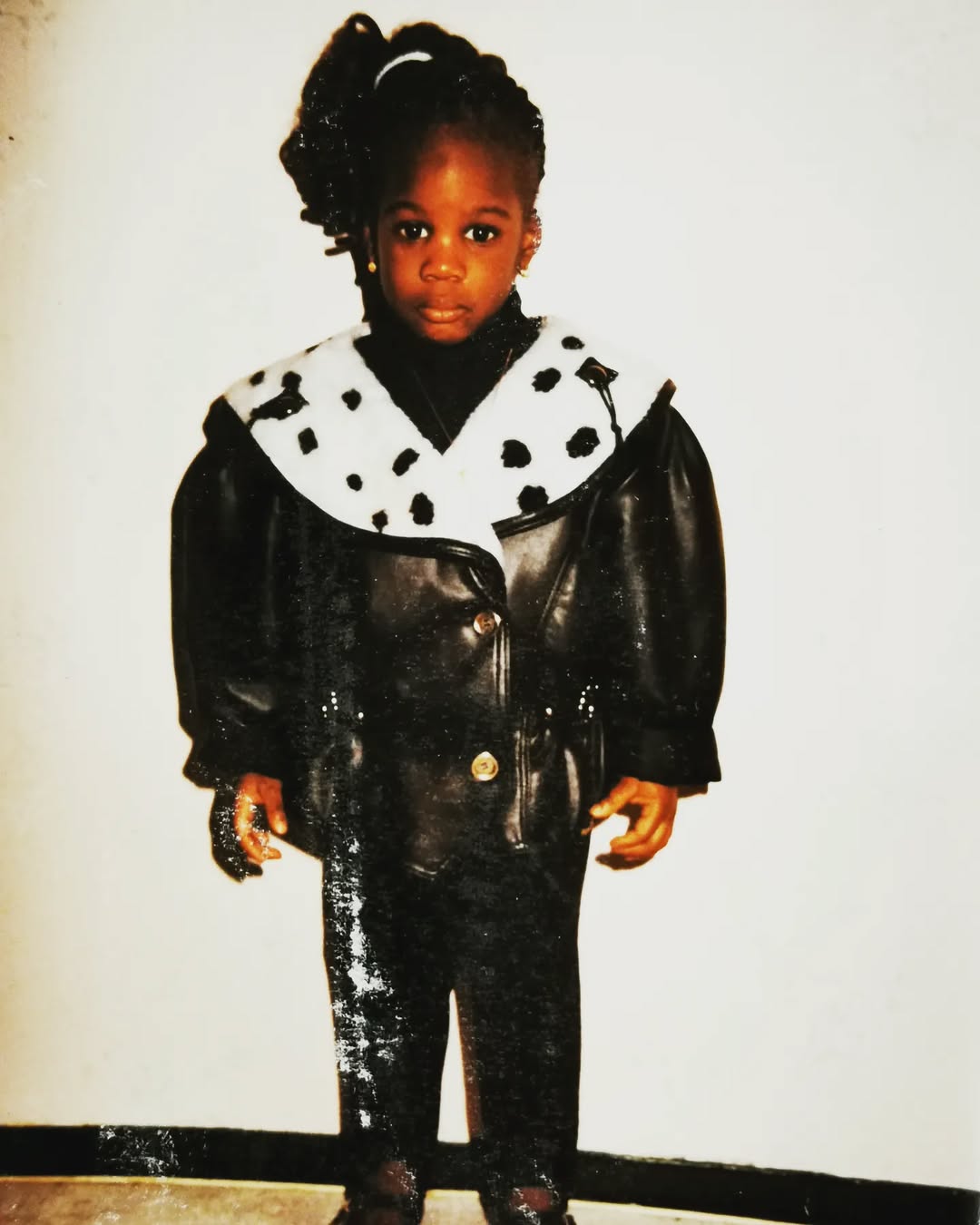
By exploring materials from the 1950s to the 1990s, decades marked by postwar migrations and family reunification policies involving France’s former colonies, we uncover a history built on community and resilience. This article delves into two sources that help reclaim this hidden past: the journalistic work of Ernest Dunbar and the cinematic archiving of Johanna Makabi.
Ernest Dunbar: chronicling Black life in Paris
«There is a Paris most American visitors never see. It is not in the Michelin Guide, nor is it mentioned in tourists’ letters back home. It is the world of those expatriates, black and white, who are employing every scheme, dodge and hustle known to Western men to survive in the City of Light»[1].
In the 1960s, Ernest Dunbar, one of the first Black reporters hired by a national magazine in the U.S., documented the lives of Black expatriates in Paris. He spoke with waiters, photographers, businessmen, and students: people who, while less famous, were fundamental in weaving the social fabric of Black Paris.
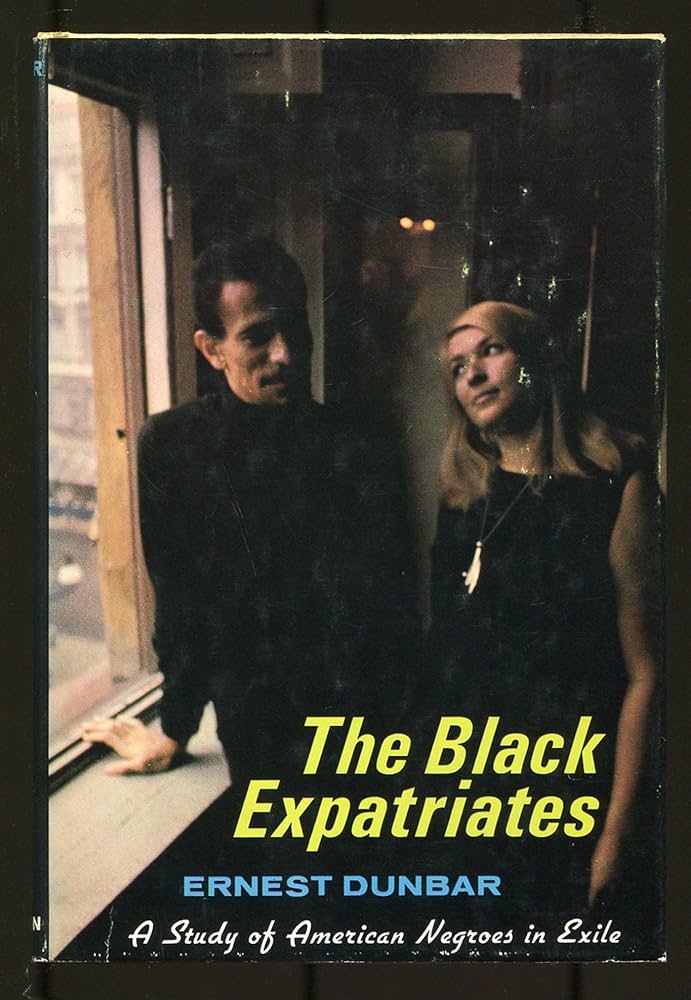
Dunbar introduces a cast of characters navigating life in the City of Light. There’s Edward Barnett, an aspiring high-fashion photographer living in a cramped apartment in a working-class district. Daniel L. Johnson, a painter immersed in café discussions. Henry C. Carr, a businessman juggling ambition and racial prejudice. And Art Simmons, a jazz musician who has seen it all.
«They come here under the guise of intellectualism» Simmons remarks in the book, reflecting on the many expatriates he has encountered. «But, man, they’re phonies. It doesn’t take long to see through all that talk. You watch them, and after about a week, you ask yourself: ‘What does he do? What does he really do?’».
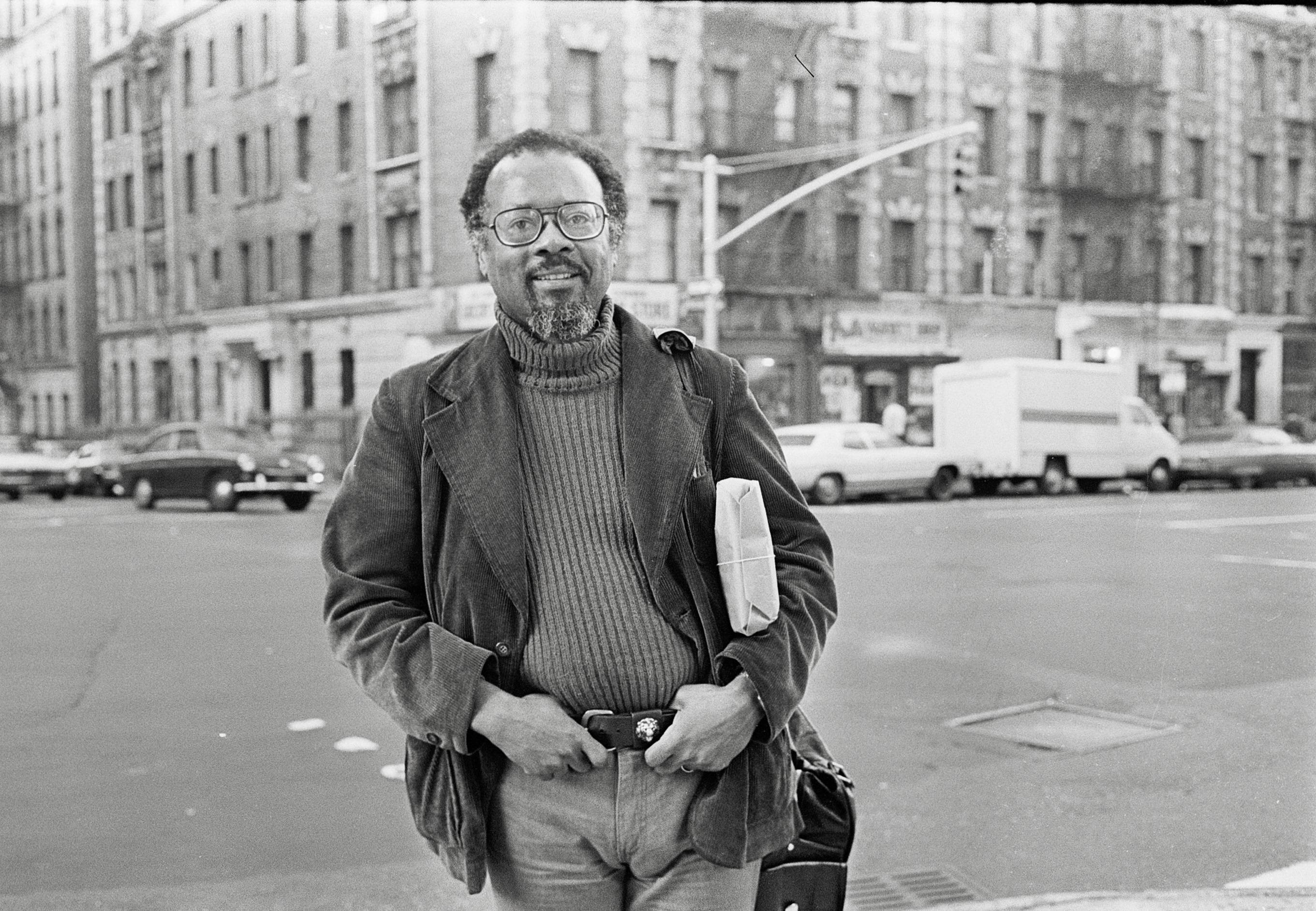
Paris, for all its romantic allure, was no utopia. While African Americans found relief from the overt racial violence of Jim Crow America, they encountered a different kind of racial hierarchy in France. Barnett recalls a moment in the Paris metro when the insult wasn’t directed at him but at the French woman beside him : pauvre fille (poor girl in French) a man muttered, looking at her with disdain, pitying her for being with a Black man. In another encounter, a Frenchman confided in Barnett his disdain for Algerians: «They’re not Christians! They’re different»; Barnett was struck by the familiarity of such words: he could have heard them from a Southern segregationist back home!
Dunbar’s book reminds us that the legacy of Black expatriation is shaped not only by the headline-grabbing figures but also by those who, in anonymity, found in Paris a city where they tried to carve out a space for themselves. Through his rigorous reporting, he exposes the gap between the idealized image of Paris as an inclusive, intellectual haven and the lived reality of a city divided by race and class.
Johanna Makabi: bringing family archives to light
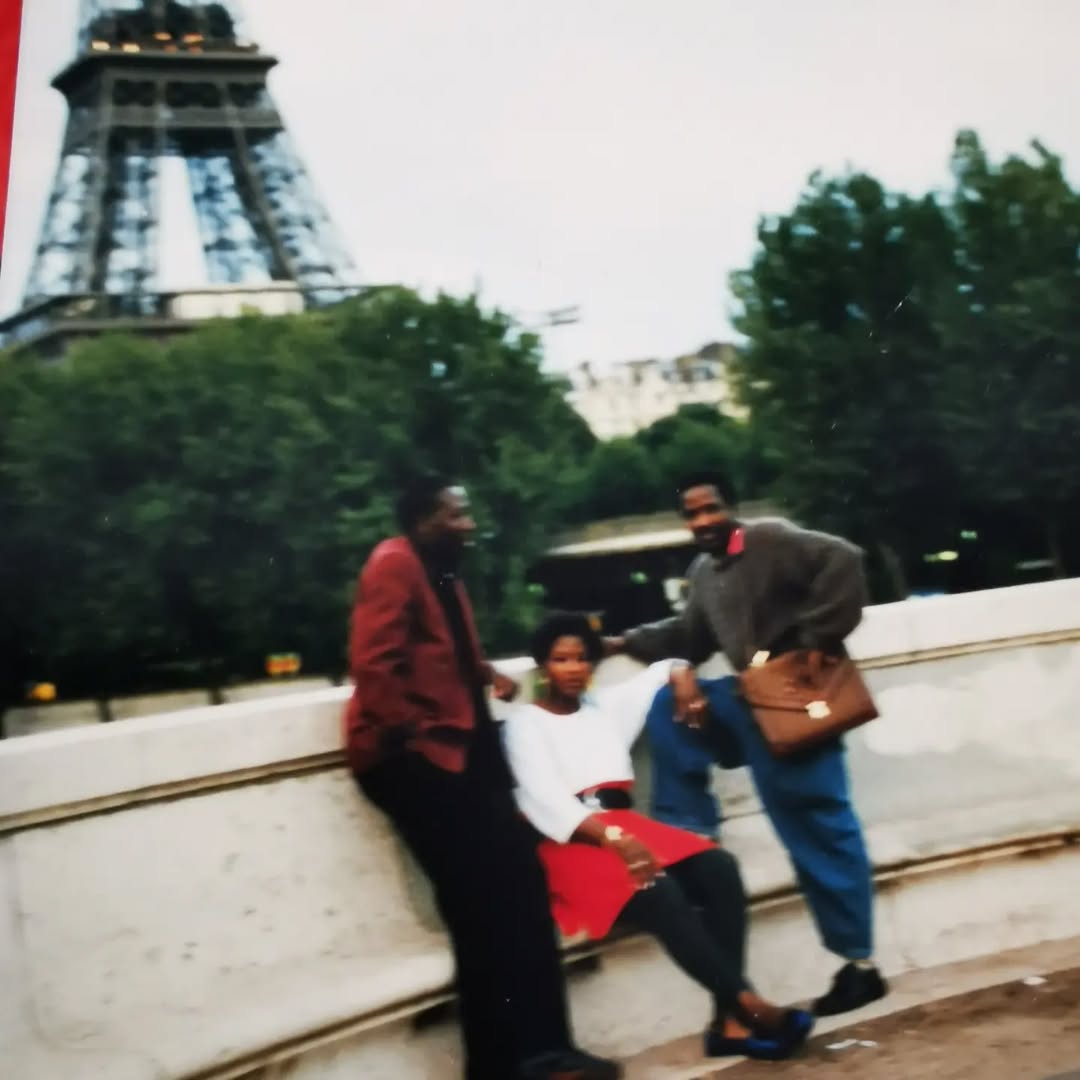
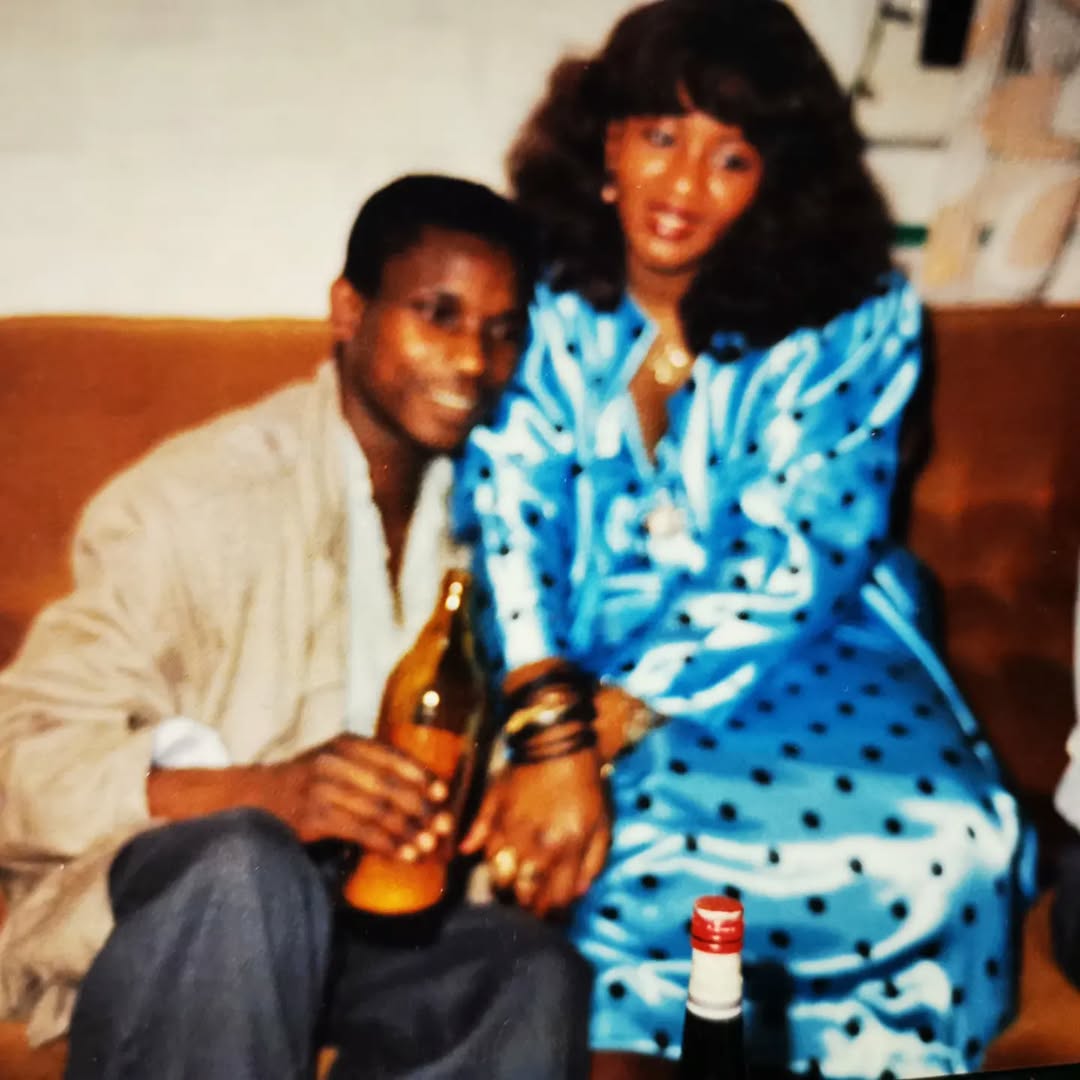
Unlike Dunbar, who chronicled his time in Paris through reporting, filmmaker and producer Johanna Makabi reconstructed Black Paris through personal and family archives. Her work breathes life into the overlooked histories of figures like Négritude co-founder Paulette Nardal and pioneering African actress Mbissine Thérèse Diop. But it also tells the everyday stories of Black life in Paris: stories captured by her own father.
A visual heritage of exile
Born to Congolese parents, Johanna Makabi grew up surrounded by photographs and videos that connected her family…