
Strings of Rebellion. The Untold Black Roots of Country Music
Country music tells a story of home, heritage, and belonging - but not everyone has been allowed inside. Beneath its whitewashed image lies a Black history that continues to surface, from the cotton fields to Beyoncé.
Who Gets to Belong in Country Music?
The year is 2016.
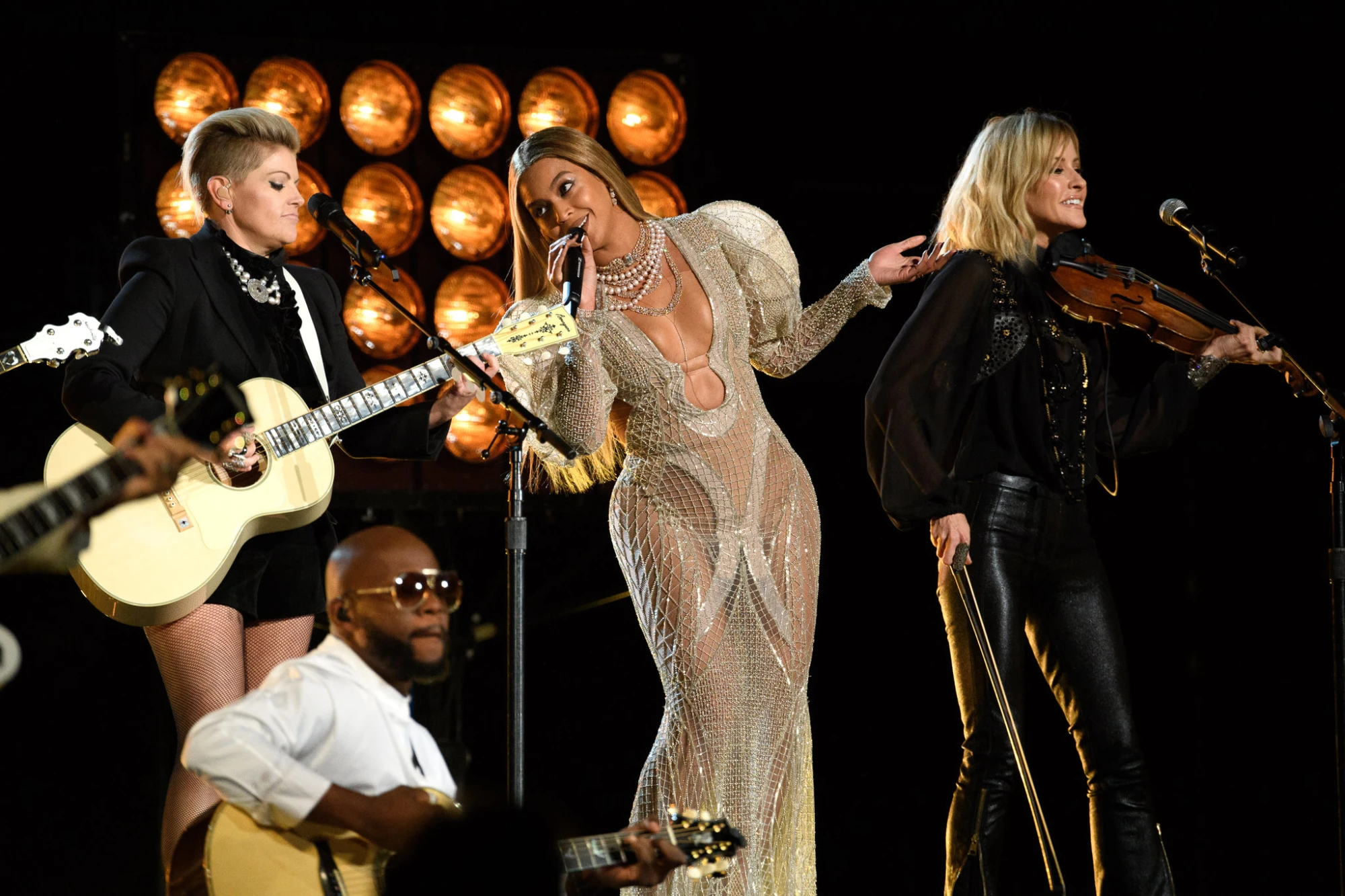
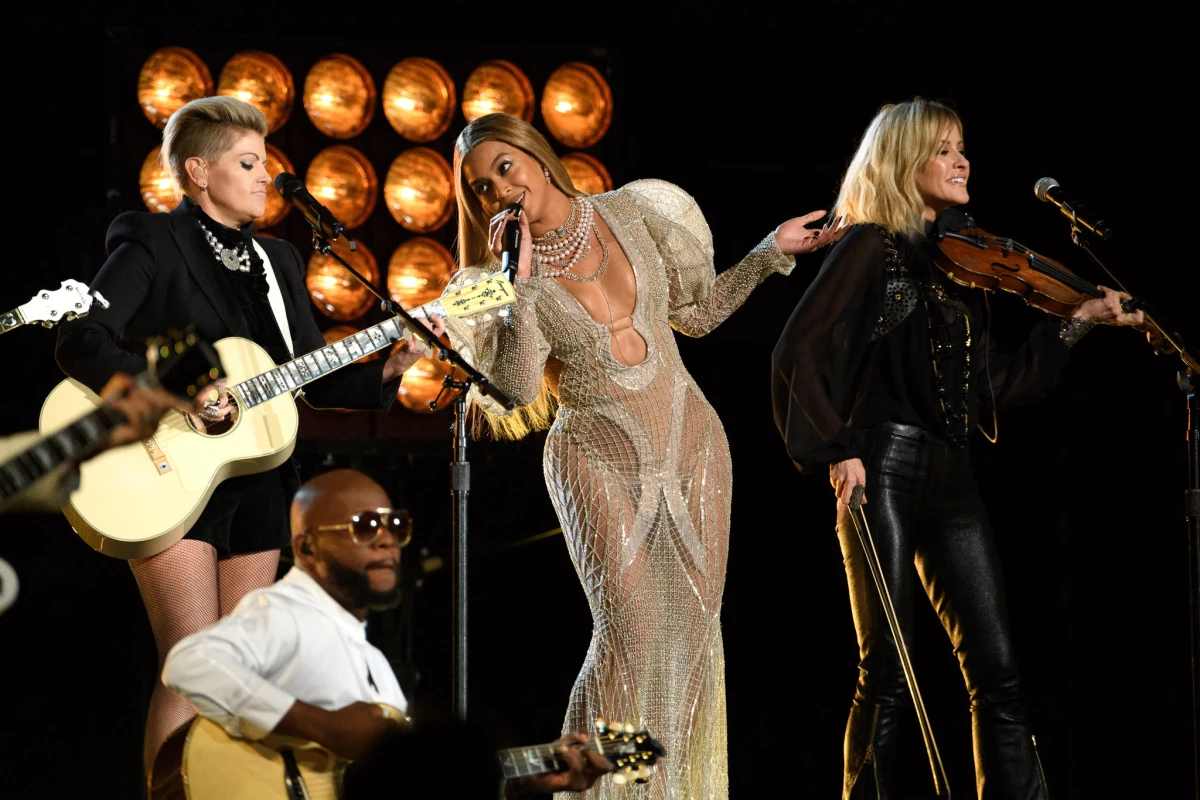
Under the bright lights of the Country Music Association Awards, Beyoncé steps onto the stage alongsideThe Chicks. Together, they perform Daddy Lessons, a song from her album Lemonade - a record widely read as an ode to her Southern roots, Black womanhood, and inherited survival from a father to his daughter. The performance is loud, unapologetic, rooted in brass, rhythm, and family myth. It sounds Southern. It sounds American. It sounds Country. And yet, the reaction to it is immediate and brutal.
The CMA’s posted a promotional clip of the performance. Online forums and comment sections erupt. Country music fans label Beyoncé an intruder – a pop star playing dress-up, someone who does not belong in their scene. Commentators argue that Daddy Lessons is “not real country”, that Beyoncé herself is “not country”, that her politics - her visibility as a Black woman who was very outspoken about police violence and Black Lives Matter - disqualify her. Some responses abandon pretense altogether, sliding into overt racism. The Chicks, despite their long history of controversy, receive none of this backlash. The difference is stark. Beyoncé is the only Black woman on that stage.
Shortly after the performance, the CMA removed the promotional clip from its platforms. Beyonce’s fans - The Beyhive as they have called themselves - accuse the organization of quietly bowing to racist pressure. The CMA responds with a carefully worded statement: the clip was apparently “unapproved“ by Beyoncé’s team, the collaboration had always been meant to be celebrated. But the message has already landed.
Years later, Beyoncé would reflect on that night by saying she “did not feel welcome”. That feeling would become fuel. According to The New York Times and NPR, it helped shape Cowboy Carter – an album that does not ask for permission but instead excavates Country music’s Black foundations and celebrates Black Country Music artists. Beyoncé would go on to become the first Black woman to top the Country charts. But Beyoncé’s experience was not an isolated case. And this moment did not begin in 2016. It echoed something much older.
Echoes from the Cotton Fields
Long before Country music had borders, it had voices.
Enslaved Africans carried more than forced labour across the Atlantic within them. In the cotton fields of the Southern States, music became the language of survival. Sung during slavery, blending African musical traditions with Christian hymns imposed by slaveholders, Negro spirituals emerged as sacred songs created by enslaved Africans, expressing communal grief, endurance, faith, and resistance at once. These hymns were not static: they shifted, improvised, and responded. From these spirituals grew Blues, Gospel, and the early folk traditions of the American South. Later, music moved freely between Black and poor white communities, especially in rural regions where labour and hardship overlapped. Songs were shared and instruments passed hand to hand.
What we now understand as Country music emerged from this shared terrain - shaped by Black musical knowledge that would later be stripped of its identity.
The Banjo’s Bloodline
Few instruments expose this erasure as clearly as the banjo.
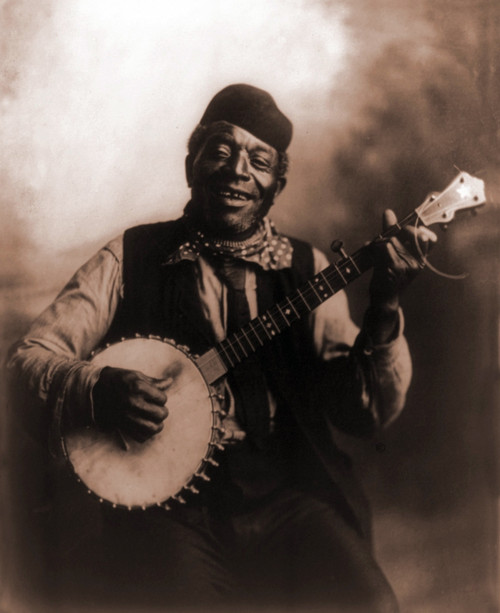
Often imagined as a symbol of white rural America, the modern banjo originated directly from West African instruments made of gourd. When enslaved Africans were brought to North America, they rebuilt these instruments using available materials, preserving techniques and tunings across generations.
In “Hidden in the Mix ”, writer Charles L. Hughes explains that Black banjo traditions profoundly shaped early American music - including what would later become Country. Yet as racial segregation hardened under Jim Crow, the banjo underwent a symbolic transformation due to social conditions changing. As Hughes and other scholars note, guitars proved more adaptable to emerging Blues styles, while the banjo lingered in white - dominated old-time and hillbilly music. The instrument did not lose its Black origins - those origins were overwritten.
Whitewashed Sounds and Broken Strings
By the 1920s, “hillbilly music” had become the dominant popular music of the rural South. It was marketed as the authentic voice of white mountain culture. But the reality behind the records told a different story.Historian Patrick Huber documents…